
DSA 2026 – Phorio, KNDS’ new tactical radio turbocharging robotic combat systems
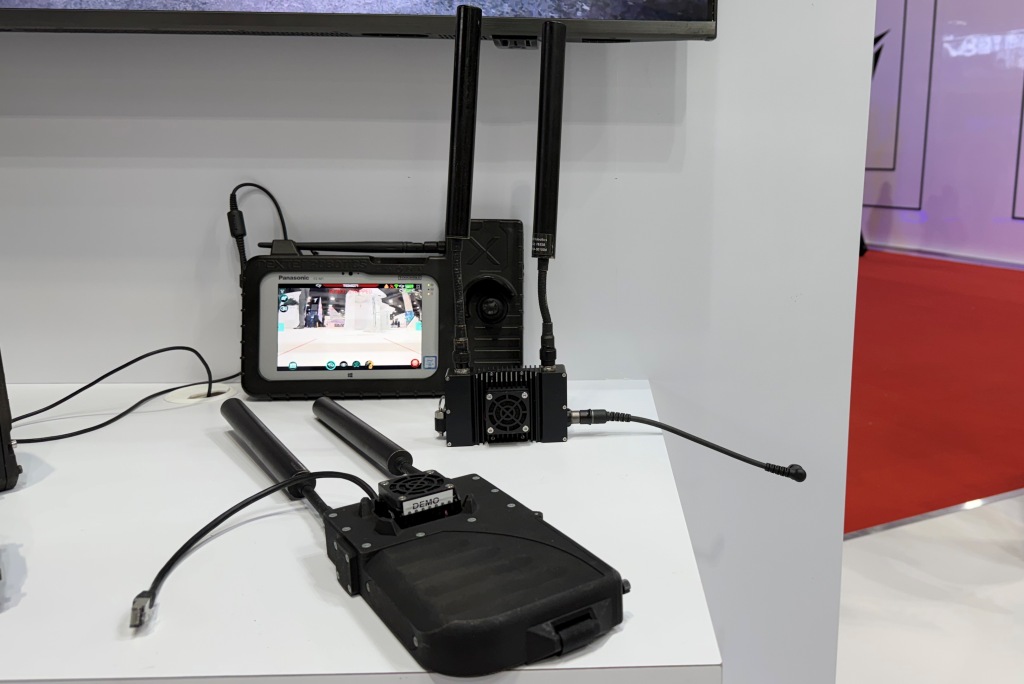
At DSA & NATSEC Asia 2026 in Kuala Lumpur, KNDS used the regional stage to unveil Phorio, a new tactical radio engineered specifically for remote‑controlled robotic systems and vehicles operating on land, at sea and in the air. Designed for high‑intensity operations and heavily contested electromagnetic environments, Phorio aims to provide a secure, resilient, and high‑performance data link for tomorrow’s autonomous and tele‑operated platforms
Phorio is as a software‑defined tactical radio (SDR), developed from the outset to address the environmental, integration and survivability constraints of robotic systems and tele‑operated vehicles. Rather than serving as a simple voice radio, it acts as a multi‑purpose communication node, capable of simultaneously managing command and control traffic, high‑definition video, voice, and data. It is designed to maintain a robust link in scenarios where radio propagation is degraded by terrain, urban clutter, or deliberate electronic warfare, which is essential for the reliable use of tele‑operated weapons and unmanned combat systems. Its architecture is optimised to maintain service in such conditions and across different domains, from land to air and maritime environments, which is a central requirement for robotic systems performing reconnaissance, logistics, demining, or direct‑fire missions.
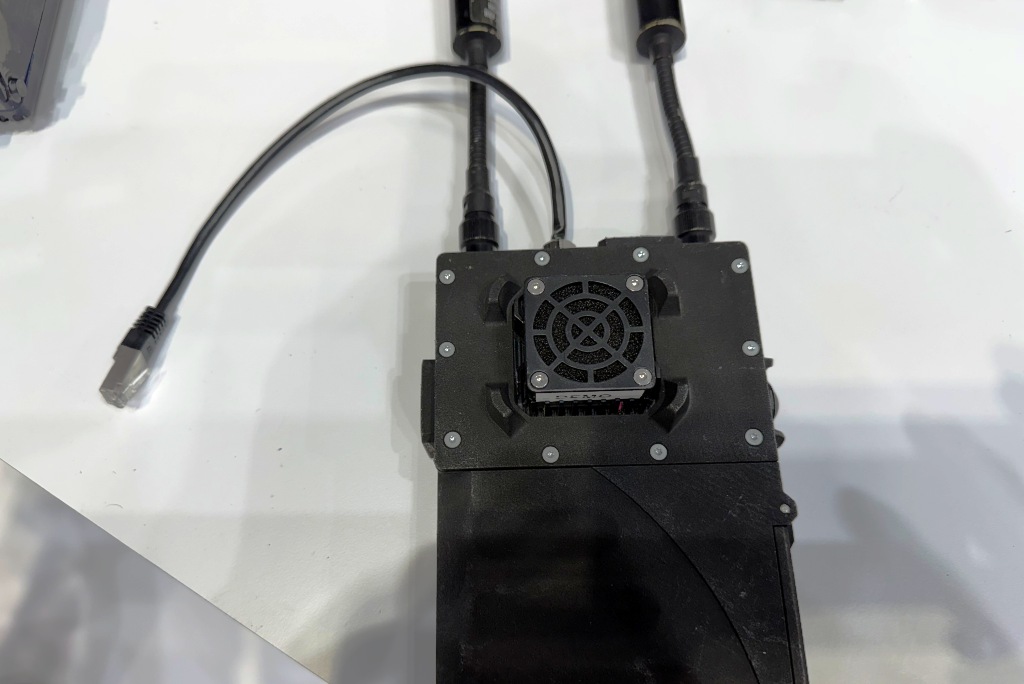
KNDS has so far revealed functional and architectural characteristics rather than a full numeric data sheet, therefore no figures for operating frequency bands, RF power, exact data‑rates, channel bandwidth or range are yet available.
Thanks to the SDR architecture, new features and operating modes can be added by software update, without any hardware modification, and radio performance can be optimised over time, including waveforms, link management and anti‑jamming algorithms. This also allows to implement incremental improvements, integrating customer‑specific modes and proprietary protocols without re‑engineering the hardware platform. Not only, the tactical SDR Phorio is fundamentally scalable over its life‑cycle supporting long‑term technology refresh as well as obsolescence management, reducing through‑life ownership costs.
The radio is designed to handle multiple simultaneous data streams over a single tactical link. These include command and control data for unmanned or tele‑operated platforms, high‑definition video feeds from day and thermal sensors, voice communications and a range of mission data such as telemetry, platform status and target information, which indicates a high‑throughput tactical link.
To counter modern electromagnetic threats, Phorio incorporates advanced frequency‑hopping techniques and transmission‑security features. The aim is to maintain uninterrupted communications even in the presence of deliberate jamming and interception attempts, with particular emphasis on sustaining the link for tele‑operated weapons where a temporary loss of control would be operationally unacceptable. No details were provided concerning the hopping pattern, dwell times or encryption standards, but Phorio clearly belongs to the class of radios intended for high‑end electronic warfare environments.
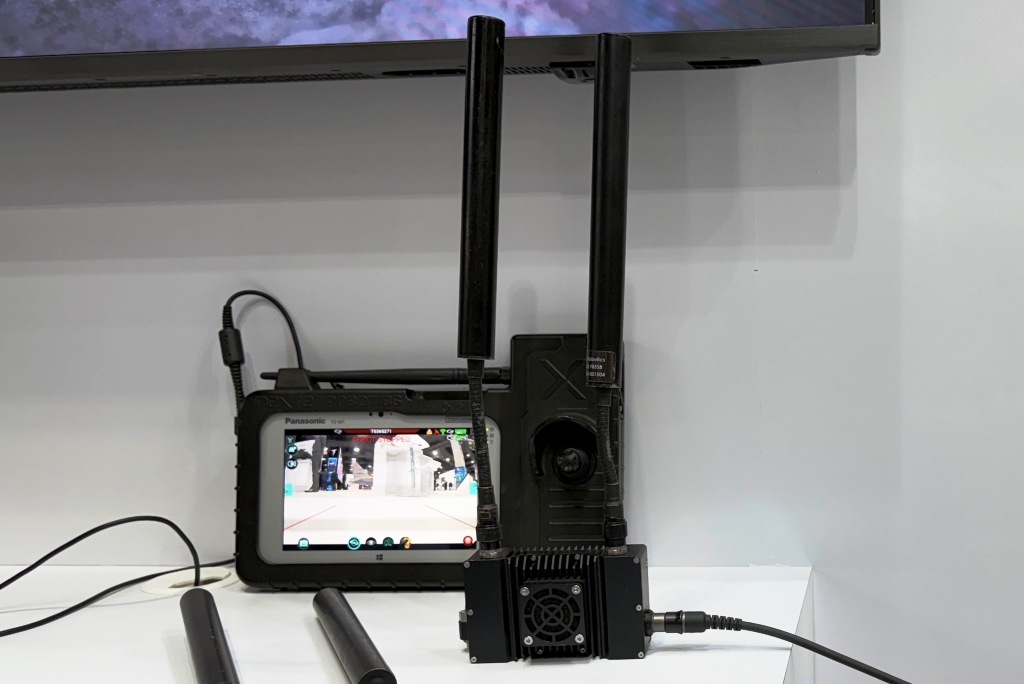
Phorio has been introduced as a cross‑domain solution suitable for integration across a wide range of unmanned and tele‑operated systems. On land, it targets unmanned ground vehicles dedicated to reconnaissance, logistics support, casualty evacuation or route clearance, as well as robotic platforms carrying remotely‑controlled weapon stations or effectors. KNDS’ own UGVs, such as Centurio, are representative candidates for future integration of Phorio within the company’s family of robotic systems.
In the air domain, Phorio is suitable for tactical unmanned aerial systems providing ISR and targeting support, as well as for loitering munitions and other aerial effectors, including systems such as the Mataris family presented by KNDS within its wider “dronised” effects portfolio. At sea and in the littoral environment, the radio can equip unmanned surface vehicles that require secure and high‑bandwidth links to control stations, as well as coastal defence systems networked with unmanned sensors and effectors.
Phorio is intended to fit naturally into KNDS’ broader ecosystem of network and mission electronics, including mission Ethernet switches and network systems that support multi‑gigabit data‑rates at system level. In this context, Phorio operates not as a standalone product but as a key node in a wider digital backbone linking sensors, effectors, robotic platforms, and command posts.
The unveiling of PHORIO at DSA 2026 forms part of KNDS’ wider strategy to develop a coherent family of unmanned systems, artillery and advanced communication nodes. In Kuala Lumpur, the radio was shown alongside combat‑proven assets such as the Caesar self‑propelled howitzer, highlighting the way in which high‑end artillery effects and robotic
Together with KNDS’ “dronised” effect kits and partnerships with specialist communication firms such as Simpulse, Phorio is intended to become an important building block in future networked, multi‑domain land combat architectures. Its software‑defined nature makes it a flexible tool for customers seeking to future‑proof their unmanned and tele‑operated capabilities.
As of DSA 2026, there has been no public contract announcement explicitly naming Phorio as a selected solution for a national programme. The radio is currently being presented as a new‑generation capability within KNDS’ offer for Asia‑Pacific customers and for forthcoming unmanned and tele‑operated systems projects.
Given KNDS’ existing footprint in Malaysia and the region more broadly, Phorio is clearly positioned as a candidate for integration into future robotic and remote‑weapon initiatives, but any such decisions would likely surface in later government or industry communications rather than at this initial unveiling stage.
The fact that KNDS has not publicly provided more detailed data suggests that Phorio is still in an early fielding and marketing phase where such parameters are shared under non‑disclosure rather than in public releases.
Photos by J. Roukoz

