DSA 2026 – ASELSAN, rewiring the battlespace with integrated C4ISR and next-generation radar systems
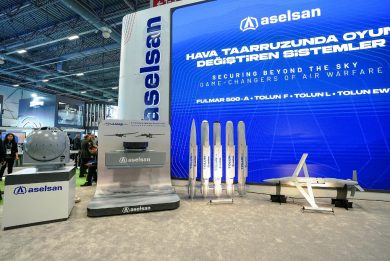
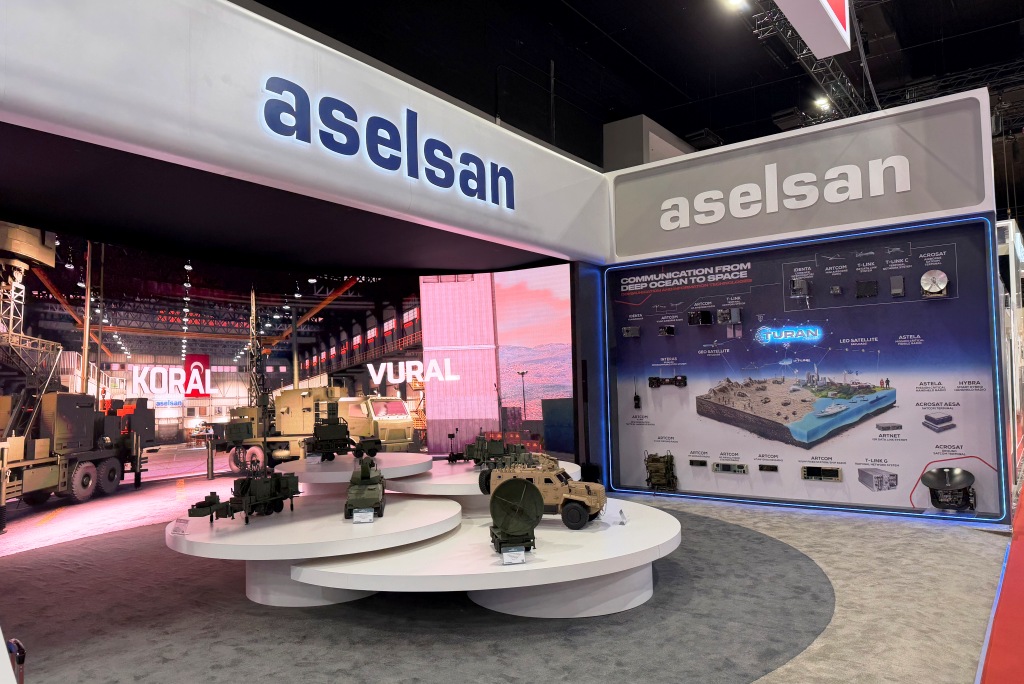
At Defence Services Asia (DSA), ASELSAN (Askerî Elektronik Sanayi A.Ş.) from Turkey delivered a highly technical showcase centred on its integrated C4ISR architecture and advanced radar portfolio, underlining its ambition to position itself as a systems-of-systems integrator rather than a standalone equipment supplier. The Turkish defence electronics specialist presented a layered, network-enabled ecosystem designed to operate across multi-domain environments, with a particular emphasis on sensor fusion, real-time data exploitation and electronic resilience
At the core of ASELSAN’s offering is its scalable C4ISR backbone, engineered to support joint and coalition operations. The architecture enables seamless interoperability between land, air and naval assets through open standards and adaptable middleware. This ensures compatibility with NATO-aligned systems while also accommodating legacy platforms commonly found across Southeast Asian armed forces.
The company highlighted its advanced Battle Management Systems (BMS), which provides commanders with a real-time Common Operational Picture (COP) through the aggregation and fusion of multi-source data. Inputs from radar systems, electro-optical sensors, SIGINT assets and unmanned platforms are processed through AI-assisted decision-support tools, allowing for rapid threat evaluation and prioritisation. The system’s modular design enables deployment at multiple echelons, from dismounted units equipped with tactical tablets to fully mobile command posts.
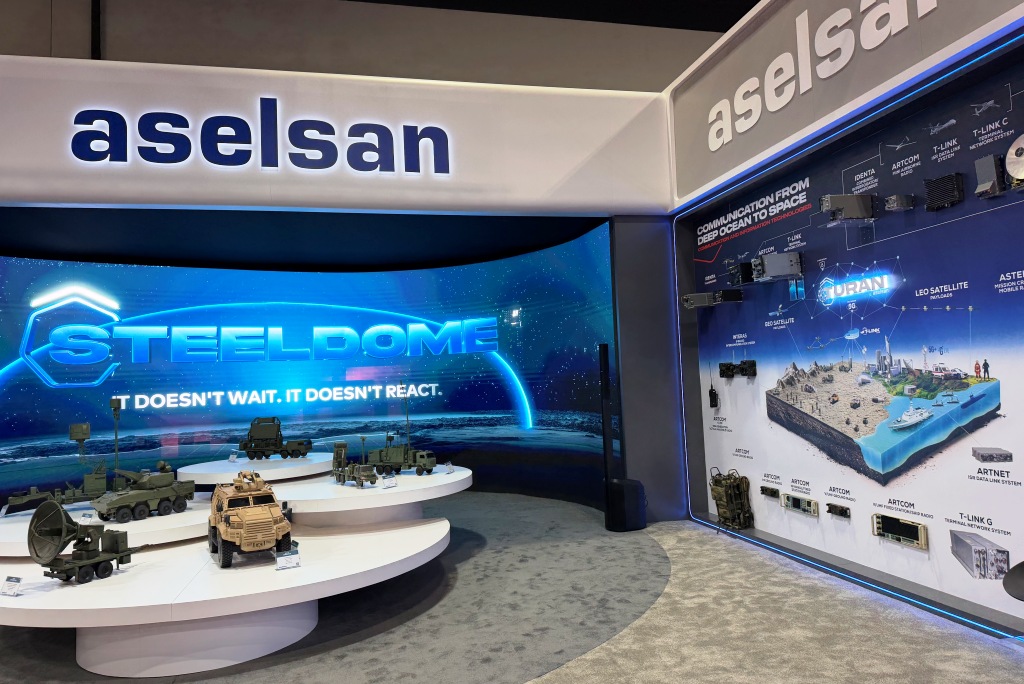
ASELSAN’s mobile command and control units, also exhibited at DSA, are configured for high-mobility operations and rapid deployment. These units integrate communications suites, data links and mission planning tools within hardened shelters, ensuring operational continuity in contested environments. Advanced cybersecurity layers and electronic protection measures are embedded within the architecture, reflecting the increasing importance of resilience against cyber and electronic warfare threats.
On the radar front, ASELSAN presented a comprehensive suite of Active Electronically Scanned Array (AESA) radars, spanning air surveillance, fire control and counter-UAS applications. These are built using solid-state transmit/receive modules, enabling high reliability, low maintenance and enhanced beam agility. The ability to perform simultaneous search, track and classification functions significantly improves situational awareness in dense and dynamic threat environments.
Among the key systems on display was a medium-range air defence radar designed to detect and track low-RCS targets, including UAVs, loitering munitions, and cruise missiles. Operating in challenging electromagnetic environments, the radar employs advanced signal processing techniques and frequency agility to mitigate jamming and electronic attack. Its 3D surveillance capability provides precise altitude, range and azimuth data, supporting integrated air defence networks.
ASELSAN also showcased its ground surveillance radars, optimised for border security and force protection missions. These systems are capable of detecting dismounted personnel, light vehicles and low-speed aerial threats across extended ranges. Incorporating doppler processing and classification algorithms, they can distinguish between different types of movement, thereby reducing false alarms and operator workload.
A notable aspect of ASELSAN’s approach is the tight integration between radar systems and the broader C4ISR framework. Radar data is not treated as an isolated input but as part of a fused intelligence layer, enabling automated cueing of other sensors and weapon systems. For example, radar detection of a low-altitude drone can trigger electro-optical tracking and initiate engagement protocols within an integrated air defence system.
The company also emphasised its progress in software-defined radar technologies, allowing for upgrades and capability enhancements through software updates rather than hardware modifications. This approach extends system lifecycle and provides armed forces with the flexibility to adapt to evolving threat profiles without significant additional investment.
From a technological sovereignty perspective, ASELSAN stressed that the majority of its critical components – including RF modules, signal processors and mission software – are developed domestically. This vertical integration not only ensures supply chain security but also enables rapid customisation based on client-specific operational requirements.
ASELSAN’s presence at DSA reflects a broader strategic push into the Asia-Pacific market, where demand for integrated surveillance and command systems continues to grow. By offering a cohesive ecosystem that combines advanced sensors, robust communications and intelligent command layers, the company is positioning itself to compete with established Western and Asian defence primes.
In an operational landscape increasingly defined by data dominance and multi-domain convergence, ASELSAN’s C4ISR and radar solutions illustrate a clear trajectory: from platform-centric capabilities to fully networked, adaptive combat systems capable of delivering decision superiority in real time.
Photos by J. Roukoz