Expodefensa 2025 – Colombia’s OPV 93: a new era for naval sovereignty and maritime security
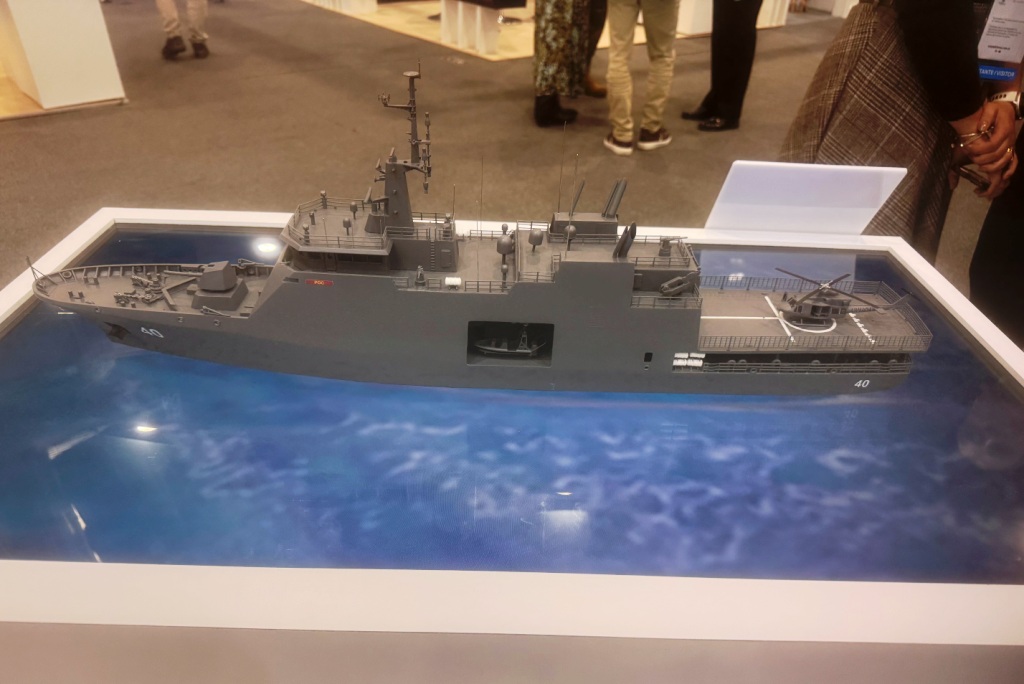
As Expodefensa 2025 opens its doors in Bogota, COTECMAR showcases the much‑anticipated OPV 93, an ocean patrol vessel representing a bold leap in national naval innovation and industry. Scheduled for imminent delivery, the OPV 93 is set to reinforce Colombia’s maritime presence across the Caribbean, demonstrating not only advanced engineering but also the country’s drive for technological independence and command of its coastal domain
Designed and constructed by COTECMAR in Cartagena, the OPV 93 is the largest and most sophisticated military vessel to be fully designed, managed, and built in Colombia. This showcase of local talent and engineering addresses the Colombian Navy’s varied operational needs, which include economic zone surveillance, anti‑smuggling operations, humanitarian assistance, and environmental protection. The vessel spear heads the new Patrullero Oceánico Colombiano (POC) class – known as OPV‑93C/E – and is crafted with modularity and growth in mind to ensure continued operational relevance.
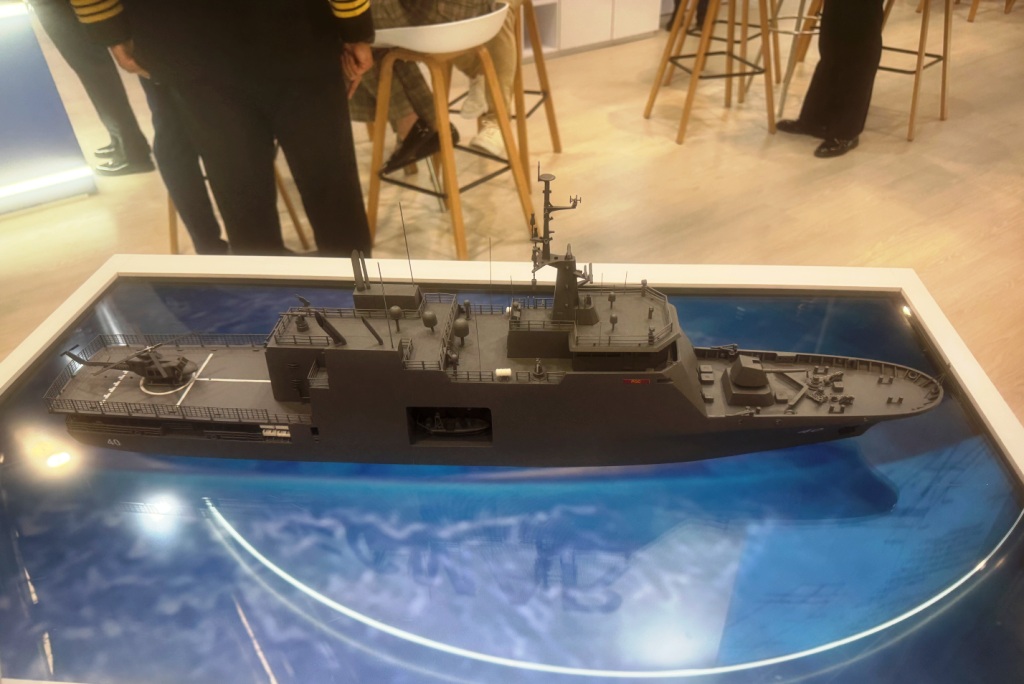
The OPV 93 spans 93 metres in length, 14.2 metres in beam, and has a draft of 3.9 metres, displacing up to 2,700 tonnes at full load. Its hull and superstructures have been refined through extensive testing, most notably at HSVA in Hamburg, Germany, resulting in improved stability, sea‑keeping, and a lowered radar signature. A 7% increase in displacement over the OPV 80 reflects enhanced flexibility and mission capacity.
Powered by a CODAD propulsion arrangement and fitted with controllable pitch propellers alongside a 390+ kW bow thruster, the OPV 93 can reach speeds from 18 to more than 20 knots, and has an endurance allowing missions extending to 40 days at sea. The vessel boasts an operational range of 10,000 nautical miles at cruising speed, making it suitable for extended deployments across both Colombian coastlines.
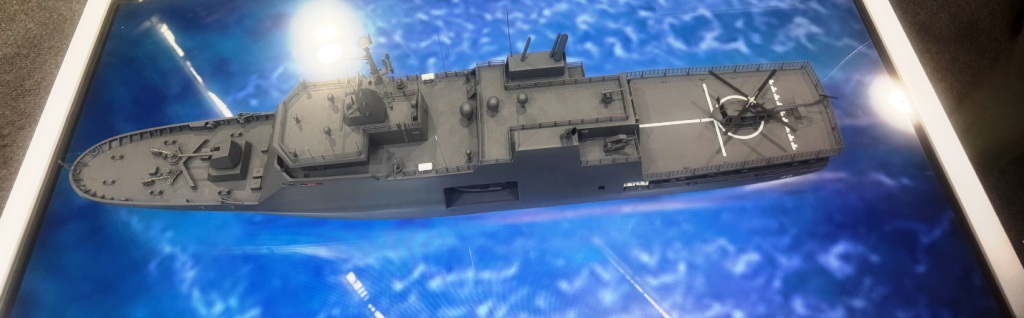
A key facet of the OPV 93 is its aviation suite. The flight deck accommodates helicopters with a mass up to 11 tonnes, including the versatile Bell 412, presently in Colombian service, and provision is made for future aircraft such as the SeaHawk. In addition, the vessel can support UAV operations, extending its surveillance reach far beyond the horizon. Beneath the flight deck sits a spacious hangar, engineered for maintenance and storage, in response to operational feedback from earlier patrol vessel generations.
The stern ramp provides swift deployment of a high‑speed, 38‑foot aluminium interdiction boat, procured in partnership with SAFE Boats International, for rapid response, boarding, and pursuit operations. The OPV 93 can also launch two craft up to seven metres long, ideal for interdiction or boarding missions.
Designed as a true multi‑role platform, the ship can carry two 20-foot ISO mission containers, each configured for medical support, environmental monitoring, command operations, or intelligence and surveillance payloads. The OPV 93 is equipped to transport up to 109 people, including a core crew of 64 and additional mission personnel, with newly designed independent compartments supporting mixed‑gender detachments – an improvement highlighted by the Colombian Navy.
Improved habitability has been a priority: new living spaces, recreation areas, and service facilities ensure crew comfort during protracted patrols. Alongside high standards of automation and logistical support, the vessel’s living arrangements are uniquely suited for humanitarian and disaster relief missions.
The OPV 93 carries a potent and scalable armament. Its principal weapon is a bow‑mounted 76 mm Oto Melara (Leonardo) gun, shielded under a stealthy enclosure to counter surface, airborne and coastal threats. Supplementing this is a remotely controlled 25 mm cannon positioned above the hangar, flanked by two 12.7 mm heavy machine guns mounted amidships for broadside coverage; lighter 7.62 mm machine guns protect the bridge wings during close‑quarter operations.
Future proofing is embedded in the design, with reserved space aft for anti‑ship missile launchers, such as the LIG Nex1 SSM‑700K C‑Star, should Colombia elect to further evolve the vessel’s combat profile. The vessel’s weapon suite is managed by a next‑generation fire control system, locally developed and set to transition towards a light naval combat management system integrating all sensors and communications.
Advanced sensors comprise a digital navigation and surface surveillance radar, developed in collaboration with Italian partner Virtualabs, alongside electro‑optic directors supporting precision targeting and situational awareness. The integration of multifunction data links ensures the OPV 93 seamlessly shares information with fleet command and allied units, a vital asset for coordinated maritime security operations.
With its delivery and prominent display at Expodefensa 2025, the OPV 93 is more than just a modern patrol ship; it stands as a symbol of Colombian self‑reliance and naval ambition. Its adaptability, powerful sensor suite, and robust armament forecast a long service life and continued relevance within both national and regional security frameworks. As Cotecmar looks to export opportunities, nations throughout Latin America may soon look to Colombia’s example for the blueprint of future maritime sovereignty.
Photos by J. Roukoz