Unseenlabs announces the successful launch of BRO-19, the latest satellite of its constellation
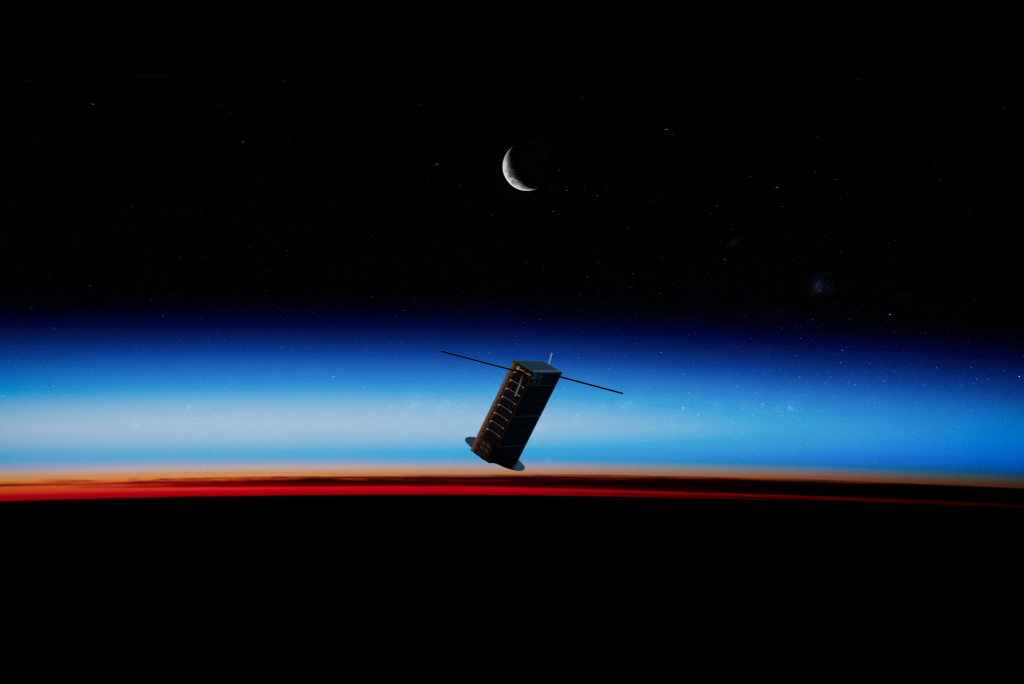
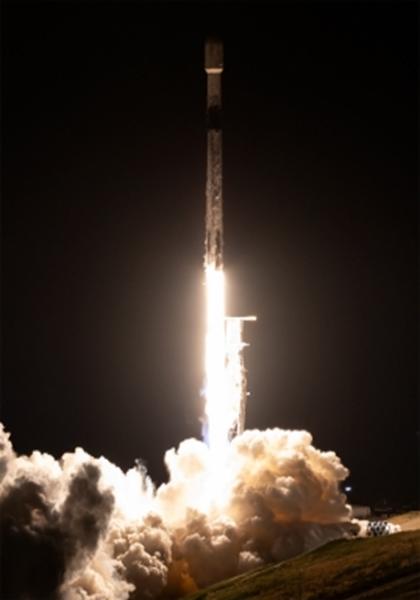
Rennes, France – March 26, 2026 – Unseenlabs announces the successful launch of BRO-19, the twentieth satellite of its constellation, dedicated to maritime domain awareness yesterday, Monday, March 30th. BRO-19 was launched as part of the upcoming Transporter-16 rideshare mission from Vandenberg Space Force Base in California, U.S. BRO-19 was deployed by the German launch integrator Exolaunch.
Like the other satellites in the constellation, BRO-19 detects radio frequency (RF) signals emitted by vessels at sea to support geolocation and activity characterization, including vessels that may not be visible through traditional tracking systems such as AIS.
“With BRO-19, we continue the deployment of our constellation. The successful launch of this satellite marks a new milestone. Our goal remains the same. To help our clients better understand activities at sea, even when information is not declared or is unreliable,” said Clément Galic, CEO and co-founder of Unseenlabs.
Unseenlabs’ satellites detect radio frequency (RF) signals from space to monitor maritime activities and support improved maritime surveillance. This new satellite further strengthens the company’s monitoring and analysis capabilities.
This data contributes to detecting and monitoring:
- IUU fishing (Illegal, unreported and unregulated fishing),
- ocean dumping,
- suspicious activities near critical infrastructure (subsea cables, offshore platforms).
Its RF solutions are used by government customers, NGOs, and private-sector stake holders (maritime insurers, oil and gas companies, shipowner…), including S&P Global, as well as by public institutions, notably through the Copernicus program with the European Space Agency (ESA).
Most satellite constellations rely on clusters of interdependent satellites that must work together to operate. Unseenlabs’ constellation uses a different approach based on monosatellite technology. Each satellite operates independently, which allows the system to be more agile.
Images and photos courtesy Unseenlabs and SpaceX