Lockheed Martin team’s Next Generation Command and Control (NGC2) prototype enables live fires execution for mission success at Lightning Surge 2
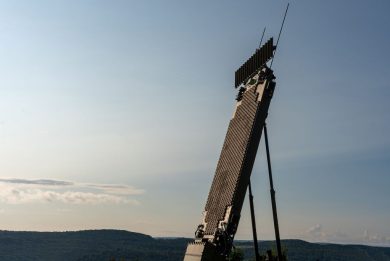
SCHOFIELD BARRACKS, Hawaii, Feb. 27, 2026 – During a live fires exercise at Lightning Surge 2, working in close collaboration with the U.S. Army’s 25th Infantry Division (25ID) and Capability Program Executive Command and Control Information Network (CPE C2IN), the Lockheed Martin Team successfully demonstrated how their Next Generation Command and Control (NGC2) prototype enables soldiers to sense, see and strike at distance across echelons.
Why It Matters
Lockheed Martin is teaming with Raft, Accelint and Rune to demonstrate AI-powered data and mission application layer capabilities, integrated with the Army’s C2 Fix transport and compute layers, to provide a full stack NGC2 prototype.
Delivering Seamless Sensor to Shooter Capability
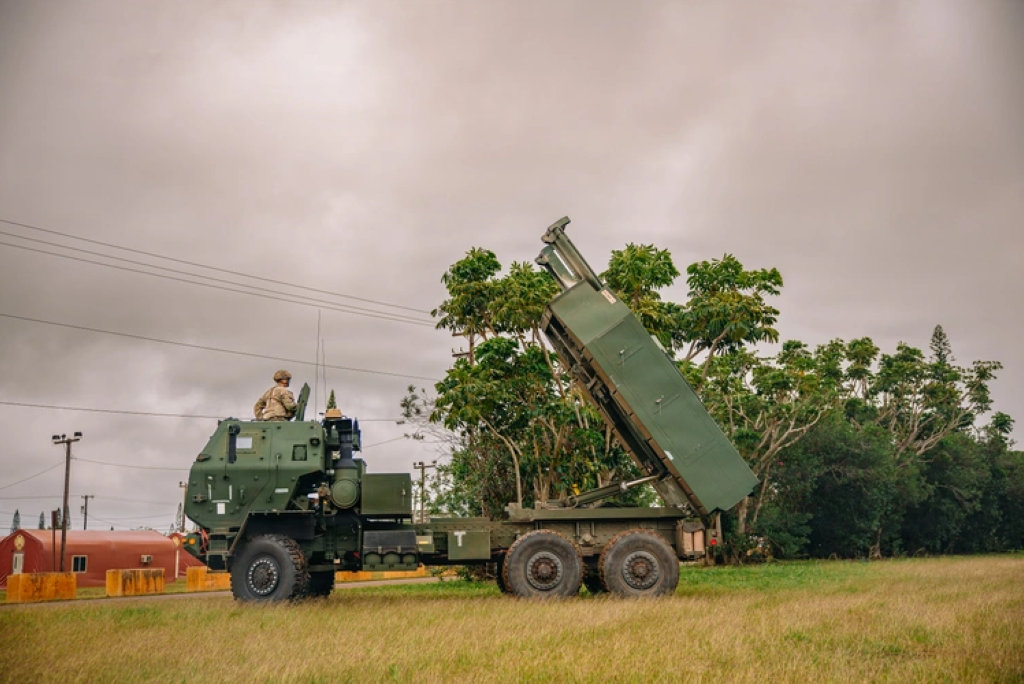
During Lightning Surge 2, 25ID Soldiers used the Lockheed Martin team’s NGC2 prototype capabilities to assess sensor-to-shooter connections and fire HIMARS rockets and M777 howitzers in real time.
Utilizing Raft’s Data Platform as the foundational data layer, the Lockheed Martin team and 25ID combined electronic warfare targeting information, drone video feeds and battle damage assessment reports into digital fires systems, showing that sensors, shooters and damage assessments can communicate under live-fire conditions.
The 25ID warfighters were able to provide voice commands through Raft’s AI Mission System automating tasks, while combining high‑definition video with live drone locations. This decreased the time between spotting a target and clearing the airspace for fire.
Concurrently, Accelint’s Neo mission‑command interface showed 25ID commanders a unified, real‑time, operational picture – rendering live track data, UAS positions and multi-source feeds in a single, high-performance interface that helped the division maintain clarity in contested environments.
As systems fired, automatically recorded ammunition levels were linked to Rune’s TyrOS Platform, demonstrating improved logistics and sustainment forecasting. This capability addresses one of the fundamental challenges in modern military operations, ensuring commanders have accurate, predictive logistics information.
Expert Perspectives
“Our team’s participation in the U.S. Army’s NGC2 initiative and Lightning Surge events shows what we can achieve when the Army, 25th Infantry Division, Lockheed Martin, and best-of-breed industry partners work together,” said Chandra Marshall, vice president of multi-domain combat systems at Lockheed Martin. “We have a dynamic team based on the demands and priorities of the unit to stay agile, iterate rapidly, and bring warfighter‑centric capabilities to the battlefield faster than ever before.”
What’s Next
Constant soldier feedback is incorporated into each Lightning Surge exercise. New functionality will be added onto the NGC2 prototype architecture, which is designed to scale and adapt within Raft’s data layer and surface new capabilities to soldiers through the Neo mission command interface as the mission changes.
Lightning Surge 3 is scheduled for April 2026 and will focus on an airspace mission thread in support of the 25ID.
photo courtesy DVIDS