Enforce Tac 2026 – Beretta Defense Technologies showcases its multi-layer extra short-range C-UAS portfolio and unveils the new Swiss P SHATTER4K round
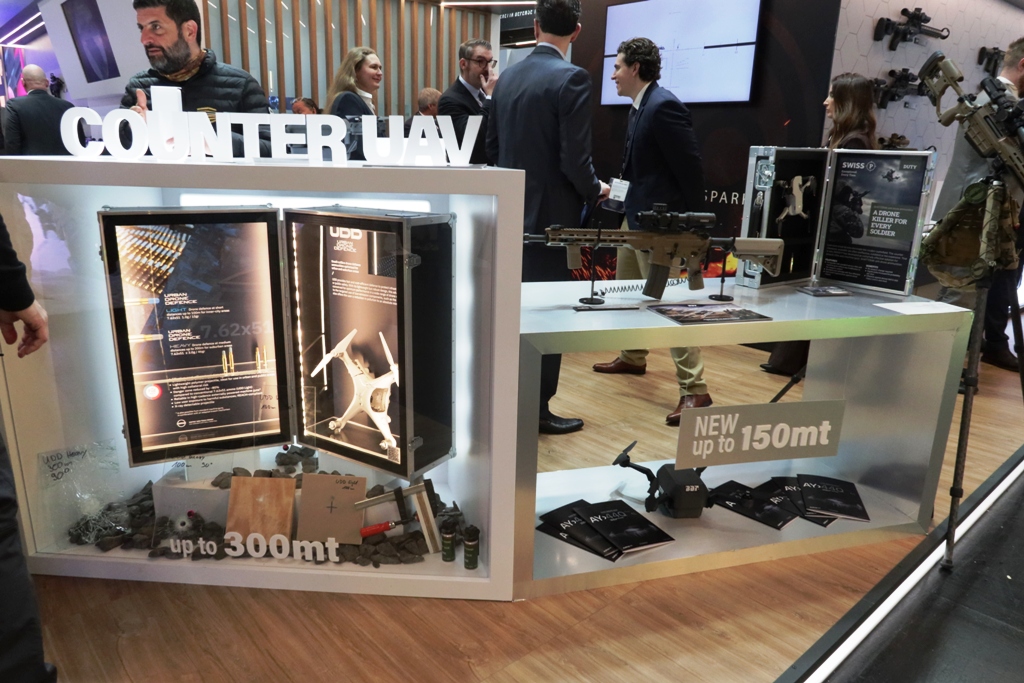
At the Nurnberg exhibition a corner of the huge Beretta Defense Technologies stand hosted the extra short-range C-UAS solutions proposed by the group companies, namely Benelli, RWS and Swiss P, the latter unveiling its SHATTER4K family of rounds in 5.56 and 7.62 mm calibres
At DSEI 2025 Benelli, part of BDT, showcased its M4 AI Drone Guardian solution aimed at giving the soldier on foot a last ditch defensive capability against incoming droned and FPVs. At Enforce Tac 2026 the group exhibited all its drone defence capabilities together, which underlines the commitment of BDT companies to propose a series of alternative solutions to counter the drone threat at the lower echelon.
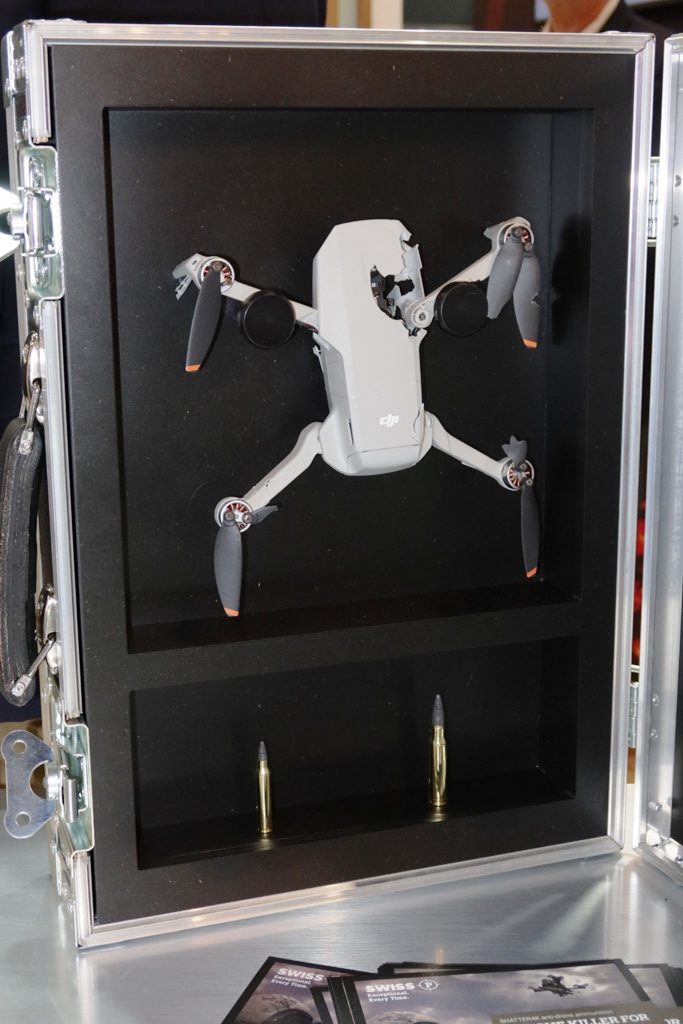
The newest C-UAS ammunition by BDT is the SHATTER4K, designed and produced by Swiss P in 5.56×45 mm and 7.62×51 mm, which can be fired by standard assault rifles. The two munitions have the same layout, with two polymer shells containing four lead balls, which are those delivering the terminal effect. The choice of the material was led by cost considerations, Swiss P representatives explaining that due to the high muzzle velocity, 960±35 m/s at 2.5 metres from the muzzle, meaning an average energy per ball of 267 J at that same distance, they considered that a harder material was not needed. The projectile has a mass of 2.8 grams (43 grains), the danger area at the maximum shooting distance being 440 metres when shooting at 25° elevations, and 340 metres when shooting vertical. When the shell opens the balls are released and advance in a cone which was not unveiled. The spread increases hit probability, no external mean being used to compute the target future point; at 20 meters horizontal dispersion and vertical dispersions are the same, 0.65 m, these increasing with distance, respectively 1.95 and 1.85 metres at 50 metres distance and 2.70 and 2.55 metres at 100 metres distance, tests being conducted with a SIG 550 rifle shooting three rounds, all rounds hitting the target at the lower distances with over 90% at 100 metres, Swiss P considering the standard engagement range between 50 and 75 metres, the number of rounds needed for neutralising a drone being estimated between four and eight, as it depends on many factors.
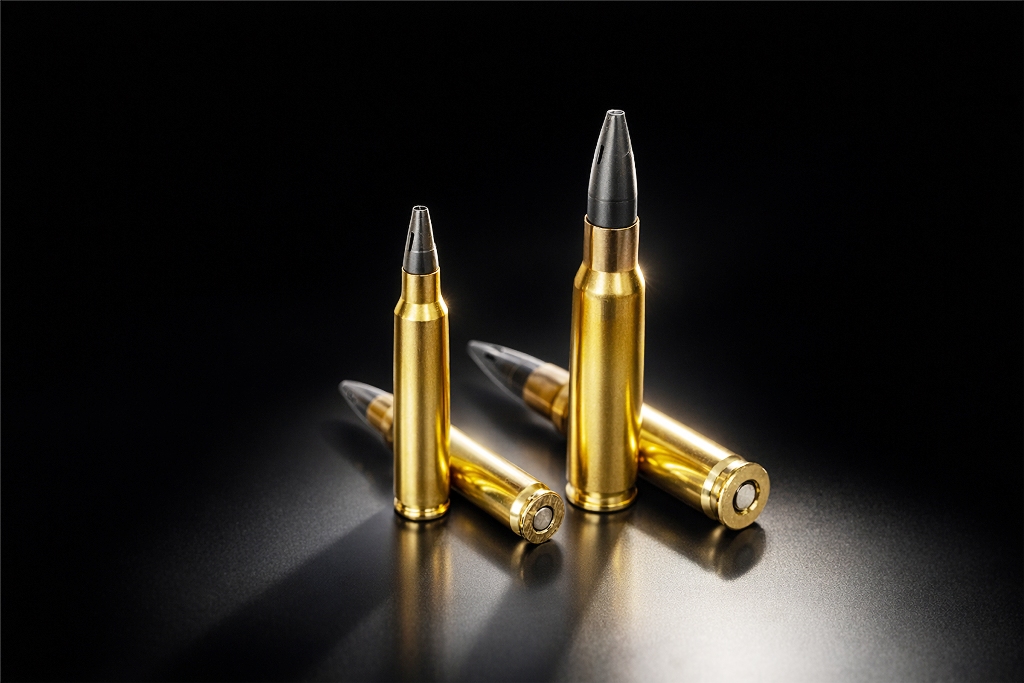
The 7.62×51 version of the SHATTER4K has of course bigger balls, the projectile having a mass of 8.1 grams (125 grains). The round velocity at 2.5 metres is lower, 686±20 m/s, energy per ball increasing by over 60%, up to 434 J, danger areas also increasing respectively at 480 and 400 metres. Dispersion is lower, as at 50 metres this is 0.7 metres horizontal and 0.8 metres vertical, becoming respectively 1.4 and 1.6 metres at 100 metres distance and 2.1 and 2.4 metres at 150 metres distance, in all cases targets being hit by 90% the five rounds fired from an LMT MARS-H 7.62 rifle fitted with a 16-inch barrel.
EDR On-Line understood that the SHATTER4K is currently available in small quantities for testing, samples having already been provided to potential customers, while mass production should start in September.
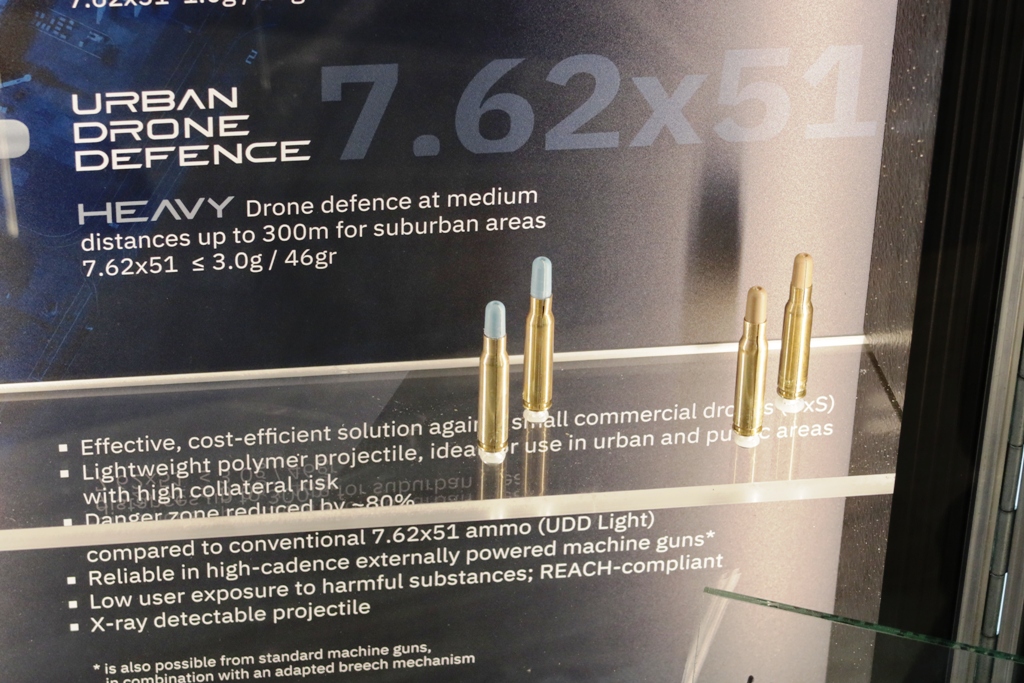
A completely different approach is that followed by RWS to solve a similar problem, the Fürth-based company developed the UDD rounds, the acronym standing for Urban Drone Defence. These rounds were unveiled at Enforce Tac 2025; they are both in the same calibre,7.62×51, but have two different polymer bullets, the UDD Light blue bullet has a mass of 1 gram (15 grains) while the UDT Heavy has a brown bullet which mass is short of 3 grams. Their shape was purposely not optimised ballistically, to lose energy quite fast, thus reducing the risks of collateral damages, this being one of the key design parameters. Nonetheless it allows the UDD Light to maintain sufficient energy to shoot down small commercial drones, such as a DJI Phantom 4, at 100 metres range. At that same distance the UDD Light does not penetrate a glass.
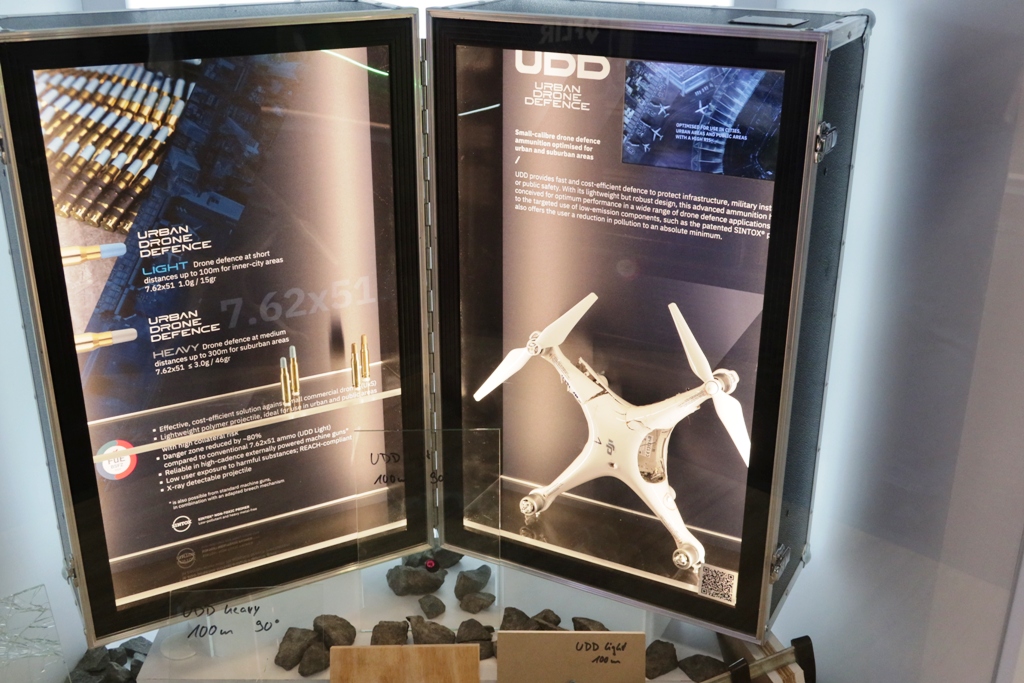
Some users required an extended range, accepting the risk of generating some more collateral damages, therefore RWS designed the UDD Heavy. Not only the mass of the bullet is three times that of the UDD Light, it is also made of a different polymer. The increased energy allows shooting down drones at 300 metres range; at this distance it does not penetrate a glass, causing however considerable damages, tests at 100 metres range showing obviously full glass penetration. For comparison, a normal ball round in the same calibre can still penetrate soft targets at 2 km range. Of course the muzzle velocity is higher as well as the energy, both UDD rounds missing the impulse needed to reload an assault rifle. In fact RWS looks at external driven guns, such as the Dillon M-134D minigun, a weapon capable of a fire rate of 50 rounds per second, 3,000 rounds per minute. RWS confirmed that trials are underway with that same weapon with some potential customers.
EDR On-Line understood that RWS started producing the UDD Light in the ball version, a tracer version being expected to be produced in mid-2026. This will enhance the hit capability of the minigun as it will allow the shooter to better follow the firing. Before year end the company aims at producing first trial batches of the UDD Heavy in the ball version, the tracer version being forecasted for 2027.
One of the major issues in the R&D of the UDD rounds was the optimisation of polymers used in the bullets of the two rounds. The bullet must withstand the bullet twist, and must not generate fragments, to avoid dirtying the barrel. EDR On-Line understood that a few weeks ago RWS fired 3,000 rounds from an M-134D, the heat in barrels resulting much lower compared to regular FMJ rounds.
With its three companies, Benelli, Swiss P and RWS, BDT shows the importance of the counter-UAS sector for the group, looking forward to new solutions to counter emerging threats, while the mother-company, Fabbrica d’Armi Pietro Beretta, celebrates its 500 years of existence.
Photos courtesy BDT and P. Valpolini