IAV 2026 – Joint air-ground integration, deep battle and lessons learned from Ukraine are leading Finnish Army reshaping
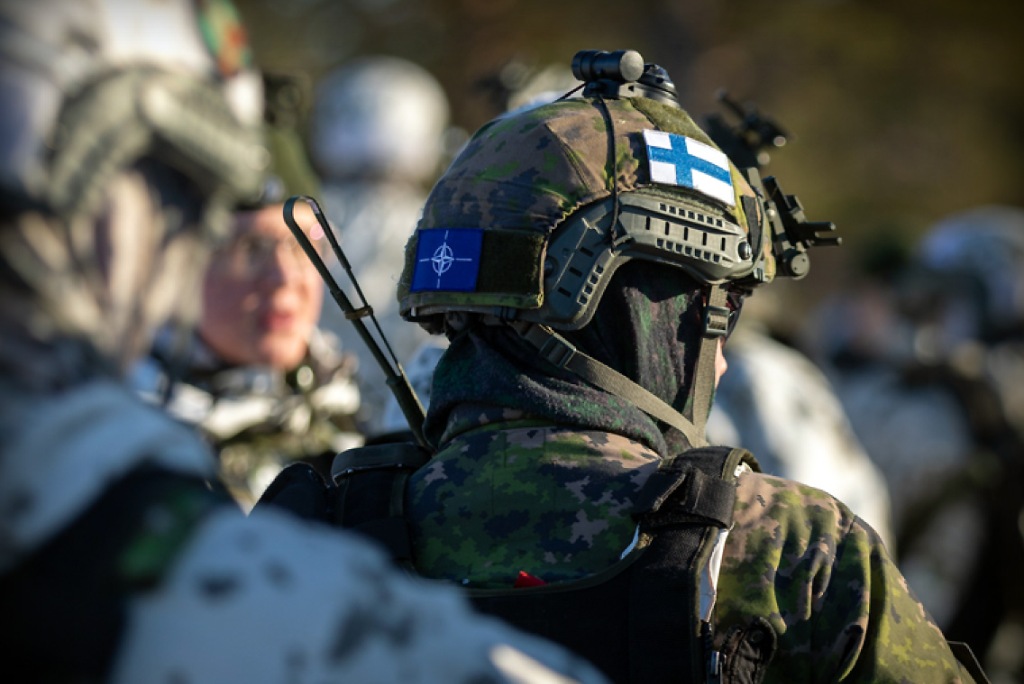
Talking at the International Armoured Vehicles conference last January, the annual event organised by Defence IQ, a Finnish Army representative highlighted which are the drivers that are leading the transformation of the Finnish Army, looking at 2035, joint air-ground integration, deep battle and lessons learned from Ukraine being the main ones. The target is to have a service with over 185,000 personnel, mostly based on conscription, with a focus on lethality, readiness, magazine depth and NATO integration
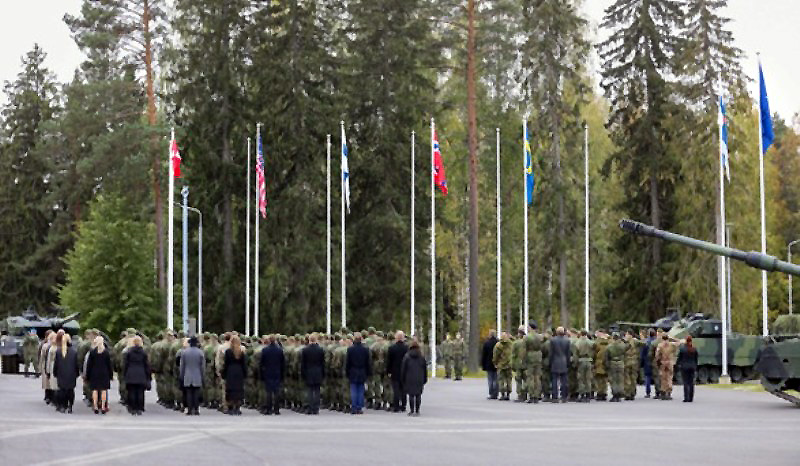
On 4 April 2023 Finland became officially a NATO member; two and a half years later, on 3rd of October 2025, in Mikkeli, some 200 km north-east of Helsinki, the Multi-Corps Land Component Command’s (MCLCC) was officially inaugurated, the colours of Finland, Denmark, Norway, Sweden and the USA being hoisted, ad were joined by the Netherlands flag on 13th January 2026. The thrust that led Finland to abandon its neutrality was obviously the Russian aggression against Ukraine, therefore Helsinki armed forces evolution is an equation with two variables, the NATO membership, and the increased tension with its eastern giant neighbour. In fact, a third variable might be considered, the creation of the so-called Eastern Flank Deterrence Line (EFDL), the NATO regional initiative aiming at defeating the enemy mass and momentum with low cost, attritable uncrewed systems, AI-enabled targeting systems, and layered defences.
The speaker highlighted the considerable changing that occurred in the last years in the enemy courses of action and the increase of its military presence along the 1,300 km of common border with Finland in terms of manpower and infrastructures, especially in the south and in the north. In the last four years Russia also demonstrated its capability to adapt, operationally, tactically, as well as industrially, shifting the national industry to war economy and modifying the forces’ structure to better answer the needs of the Ukrainian front.
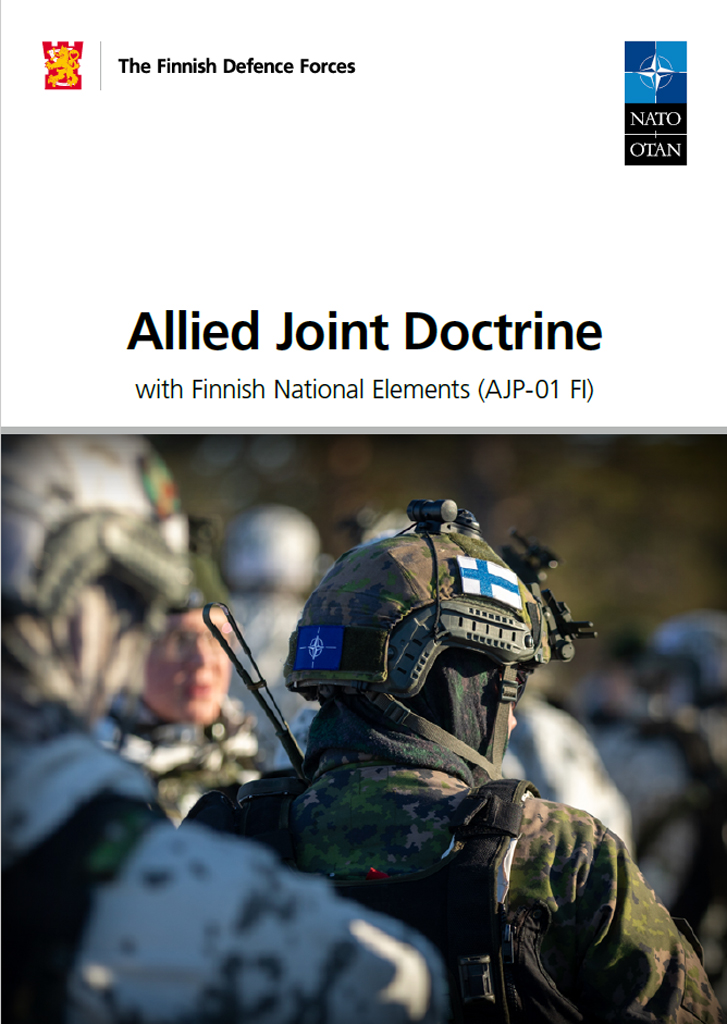
This sparked the need to adapt western forces to face the threat coming from the east. In early November 2025 Finland published AJP-01 FI Allied Joint Doctrine with Finnish National Elements. The latter provide an insight into Finland’s defence system and how comprehensive national defence is organized.
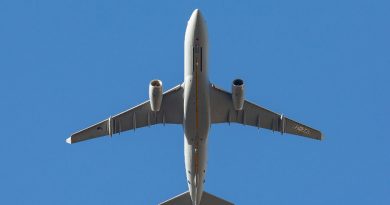
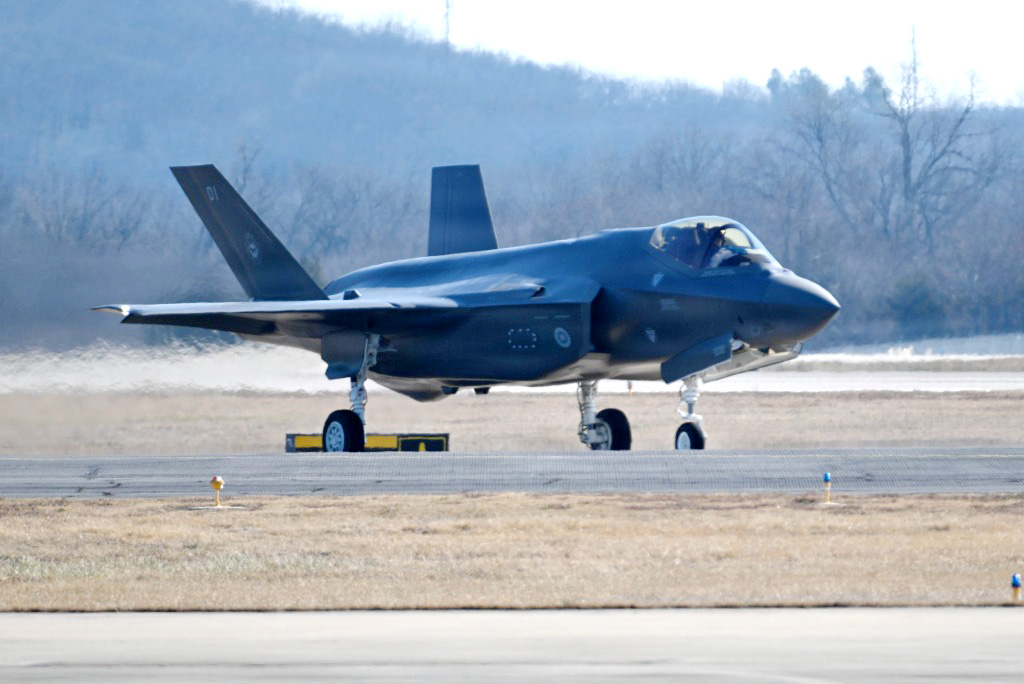
Among the various issues raised during the presentation, one was the integration of the F-35 capabilities, Finland is about to receive its first aircraft as the first was rolled out on 16 December 2025, with the Maavoimat, the Finnish Army. In today networked environment this is a must to get the full capability. Working closely with US Army units, in less than two years the Finnish Army managed to provide its core level assets established with joint air-ground integration capabilities, testing it in several international exercises.
While this is key to exploit airpower at its best, reaching deep in enemy territory to attrite its combat capacity before it gets closer, rather than waging combat only when troops are in contact, is another key issue. Finland is upgrading its M270 MLRS launchers to the A2 standard, to have the same fire control systems of its allies, the US and UK for example, while the acquisition of the GMLRS will considerably increase the range. The Finnish military worked alongside northern European companies, such as Bittium of Finland, which is providing new SDR radios, Systematic of Denmark, which provides the SitaWare C4ISR suite, to create integrated fires. The Finnish military are also working closely with Iceye to create a SAR (Synthetic Aperture Radar) satellite imagery capability, something of key importance considering deep strike capability as well as the ESDL concept.
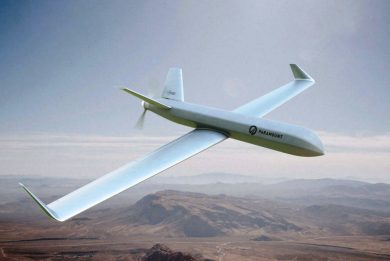
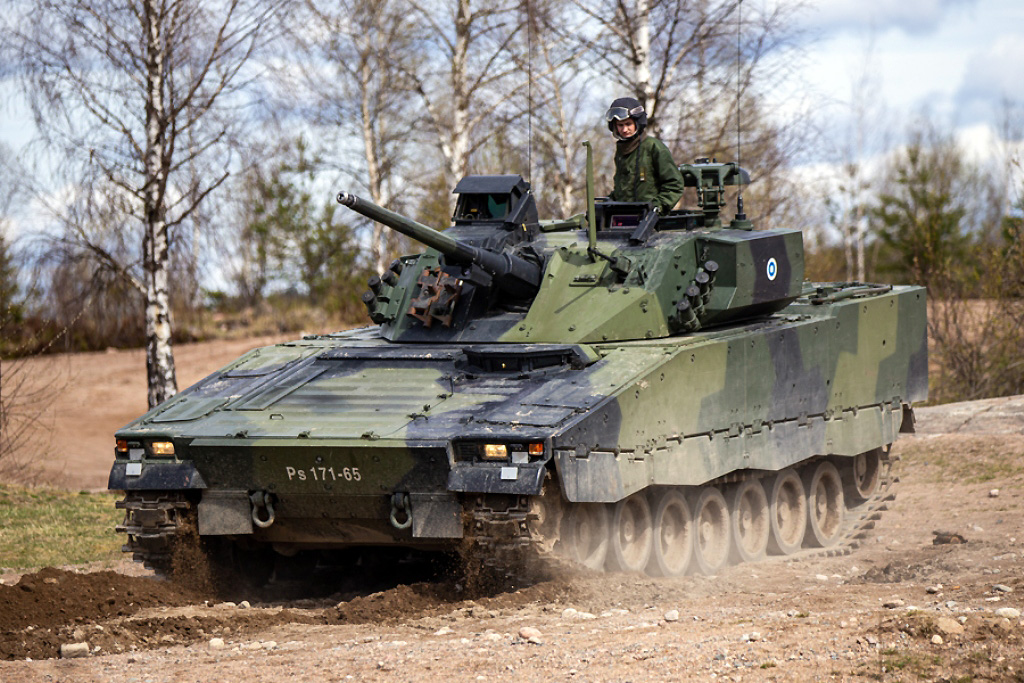
Countering UAS is definitely one of the most important lessons learned from the Ukrainian conflict. The Finnish Army is establishing a First Person View (FPV) capability, while on the other hand it is working on the C-UAS issue. The speaker made it clear that this is note an exclusive role of the Air Force and of Ground Based Air Defence (GBAD) assets; the future infantry fighting vehicle will be armed with a 35 mm cannon, and at company level there will be a capable sensor, possibly a radar, to complement IFVs optronics in order to exploit those assets also in the C-UAS role. This will need a combat management system different from that currently in service: “it will be operating in a way that is different from just looking at land, as we are normally doing. Today IFVs look straight ahead, now they must start looking up first,” the speaker said, adding that a mechanised battalion worth billion Euro cannot sit idle when it is deployed as a reserve, but it must rather become part of the GBAD system, providing its C-UAS capability.
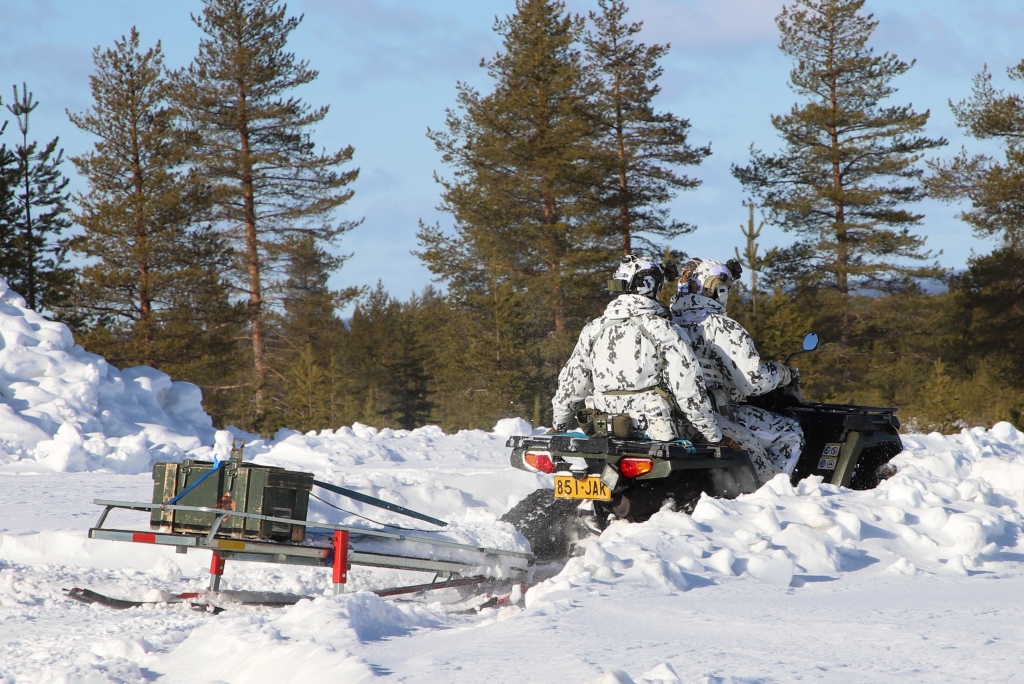
Mobility is another issue, especially looking at the battlefield preparation being conducted in Ukraine, where lines of obstacles are created, aimed at preventing an easy advance by the enemy. To ensure freedom of manoeuvre to friendly forces a robust breaching capability must be created, something easy to say but much less easy to do. However, in the far north artificial obstacles are not the only ones that can reduce freedom of manoeuvre. As it often happens when being briefed by Scandinavian speakers, terrain and weather conditions become a subject on their own, as “General Winter” managed to beat Napoleon as well as Hitler armies. However beside General Winter we also find “Colonel Spring”, which sometime may be even worse, deep mud being an even worst enemy than snow.
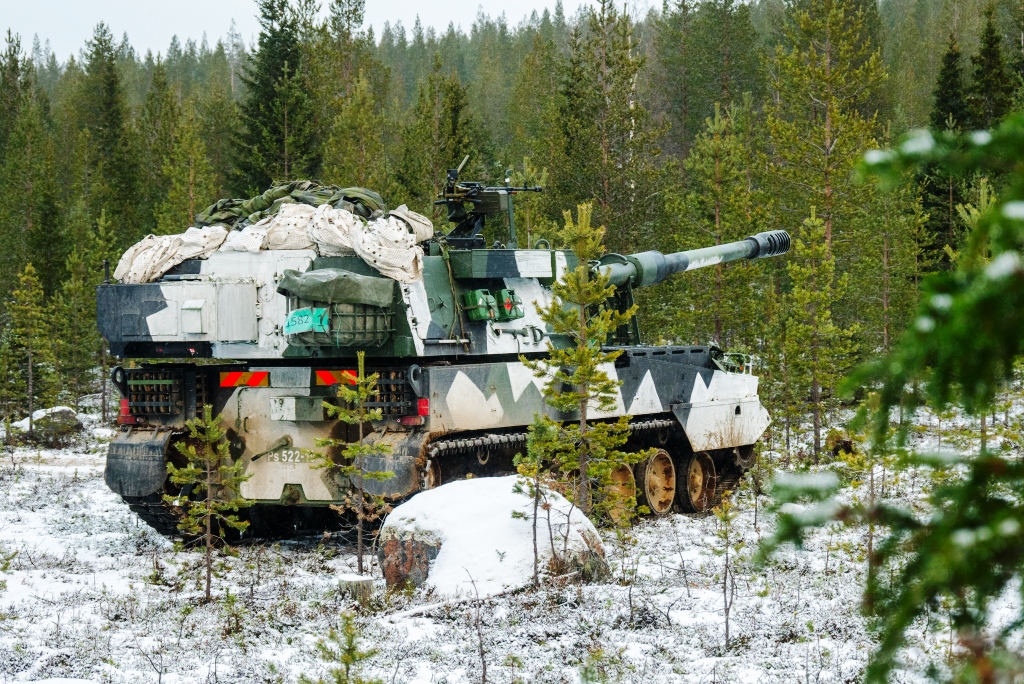
Talking to central-European medical officers the feeling was that below -30°C combats would be frozen, in every sense. Speaking to Finnish senior officers, this was only partly confirmed; while admitting that at those temperatures all activities must slow down, patrolling can be carried out down to -40/45°C. Discussing artillery, we were told that preparing ammunition for firing can take three to four more time as grease sticks to the metal, while also unloading SP howitzers from train carriages becomes an issue.
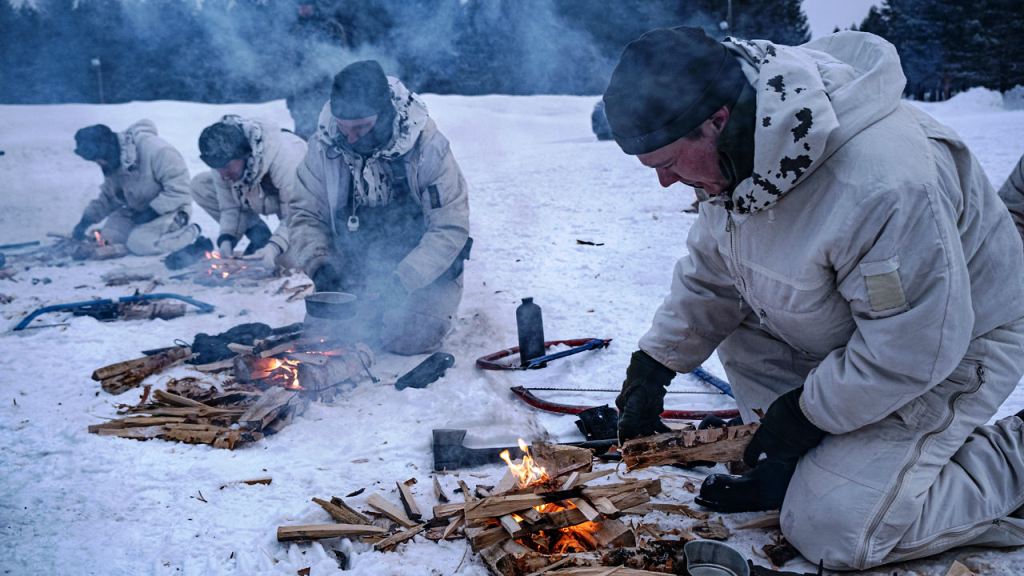
Beside temperature, terrain is the other consideration. While in wintertime snow and ice may pose problems, it is when the snow starts melting that real troubles start for ground troops and for their vehicles. As manned-unmanned teaming was one of the big topics of the conference, the Finnish speaker underlined that at certain times of the year relying too much on unmanned systems might prove dangerous; “soldiers can feel where they can walk on wetland, UGVs doesn’t, so they may go nose down in a swamp.” This is why exercises such as Arctic Strike are organised yearly; the 2026 edition will take place in November in Finland, where several defence companies will deploy their latest development that will be put to test, and requirements were issued to industry in September 2025, giving over one year time to prepare systems to be tested, the Finnish Army looking at products that reached at least TRL 7 [1].
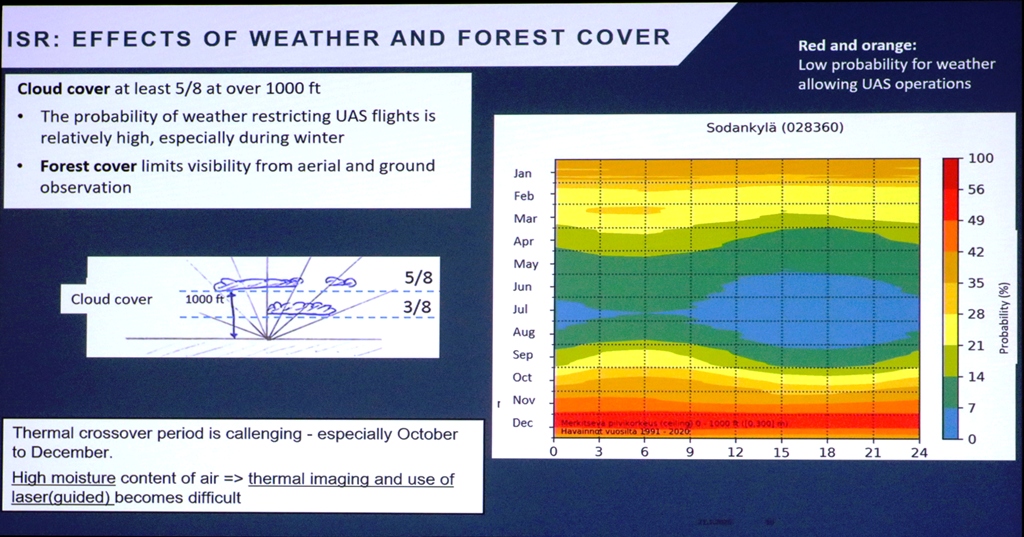
Weather conditions limit UAVs activities very much, good news considering that also the enemy will have a similar problem, bad news as friendly forces will lose their eyes in the sky. October to January UAV activity is pretty limited, according to a diagram shown at the conference, bad weather, snowfalls, low clouds being an obstacle not only for flying but also to acquire targets, endurance being reduced due to the lower performances on batteries caused by low temperatures. Laser designation is also affected by weather conditions. The battery issue is not limited to UAVs, all soldiers being affected, thus traditional systems must still be part of training, allowing soldiers to navigate without GNSS, shoot indirect fire assets without computer assistance, and so on. But even more importantly, training is the only way to reduce the impact of arctic conditions, coupled to adequate equipment. The Arctic Strike series is aimed at this and will see the participation of Alpine troops from France, Germany, Italy, and Spain, as those nations are preparing units to be able to deploy to the arctic region.
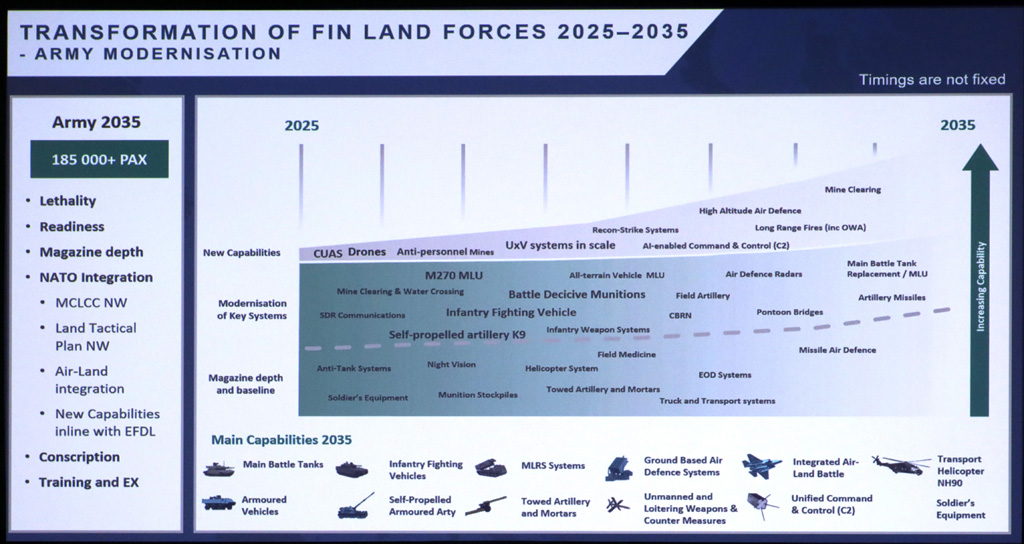
As anticipated, Finland is about to deeply transform its military organisation to adapt it to be able to answer current needs. The table shown at IAV 2026 split the needs in three categories, new capabilities, modernisation of key systems, and magazine depth and baseline. Moving from left to right, starting in 2025 to reach 2035, among new capabilities we find in sequence C-UAS, drones, anti-personnel mines [2], UxV systems in scale, recon-strike systems, AI-enabled C2 systems, high altitude air defence, long-range fires including one-way attack drones, and mine-clearing systems.
Some of the modernisation programmes have been already mentioned. The list is quite comprehensive, starting from SDR radios, mineclearing and river crossing equipment, K9 SP howitzers and CV90 IFVs, battle decisive munitions, All-terrain vehicles, infantry weapons, CBRN equipment, field artillery, air defence radars, pontoon bridges, artillery missiles, to finish with main battle tank replacement or MLU. On this last point the speaker made it clear that the Finnish Army does not even consider it on the chart, as it is unclear what an MBT will be called to do in the 2030’s or 40’s. “It cannot be just firing tank against tank; it has to be multi-role. And this is why we are interested in the US M1E3 programme,” he stated.
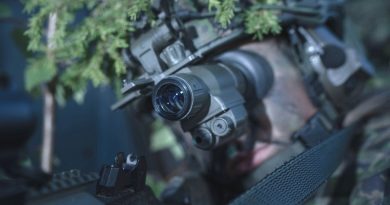
Magazine depth, meaning stockpiles of consumable equipment, is the other category that must be addressed in the coming decade. Here too, starting from left to right, we find anti-tank systems, soldier’s equipment, night vision devices, munition stockpiles, helicopters, towed artillery and mortars, field medicine equipment, trucks and transport systems, EOD systems, and finally missile air defence.
Weapon systems are not sufficient; in an Army based on conscription and mobilisation, warehouses designed to host equipment must be improved, in the northern and in the south-eastern part of Finland. As for conscripts, the speaker underlined the need to improve the Army capacity to exploit their working skills once they step into the reserve and start their professional life.
A comprehensive modernisation effort awaits the Finnish Army in the coming years.
[1] According to the Tactical Readiness Level table TRL 7 indicates a system which prototype was demonstrated in operational environment.
[2] Because of the Russian aggression to Ukraine, on July 10th, 2025, Finland submitted its intention to withdraw from the Ottawa Anti-Personnel Landmines Convention. This followed a Parliamentary decision taken in June. The withdrawal came into effect on January 10th, 2025, the Finnish Army aiming at receiving the first new mines and their training equipment in 2027. Estonia, Latvia, and Lithuania also withdrew from the Treaty, on December 27th, 2025, Poland having also announced its withdrawal.
Photos courtesy Finnish Defence Forces, Lockheed Martin, US Air National Guard, US Army, P. Valpolini