WDS 2026 – Cockerill CLWS, lightweight station, heavyweight punch
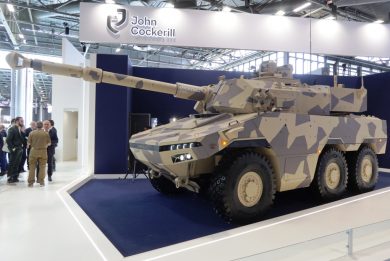
At the World Defense Show in Riyadh John Cockerill showcased its Cockerill Light Weapon Station (CLWS) installed on the Arquus MAV’RX 4×4 armoured vehicle, unveiled at Eurosatory 2024, highlighting the synergies obtained within the group with the acquisition by the Belgian turret manufacturer of the French platform company
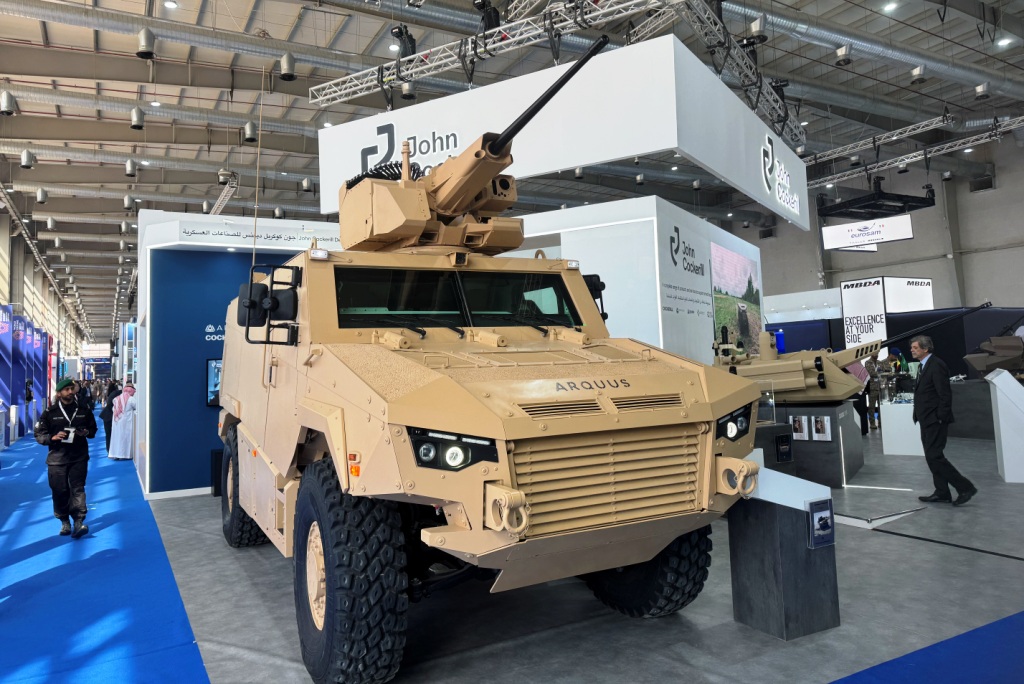
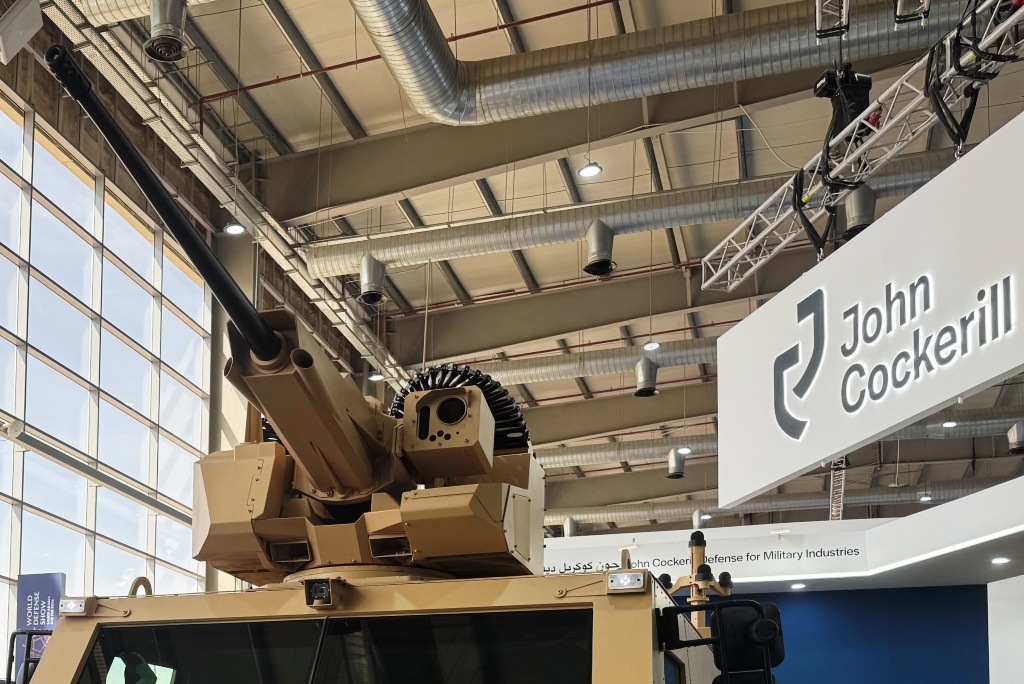
The CLWS has been in the latest years John Cockerill Defense’s answer to the growing demand for compact yet highly capable remote weapon stations able to bring medium‑calibre firepower to light armoured vehicles. Designed for platforms ranging from agile 4×4s to 8×8 armoured carriers, it delivers substantial direct‑fire capability without compromising mobility, overall height or vehicle stability.
The CLWS is conceived as a “lightweight station with heavyweight firepower”, intended to equip reconnaissance vehicles, patrol platforms and APCs while keeping weight and dimensions within the stringent limits set by modern land forces. Its role is twofold: to provide direct fire support against light armoured vehicles, fortified positions and slow air threats, and to ensure robust self‑defence in high‑intensity operations or demanding internal security missions. Fully remotely operated, it allows the gunner – and, where applicable, the vehicle commander – to control all weapon functions from under armour, from surveillance and target acquisition through to engagement.
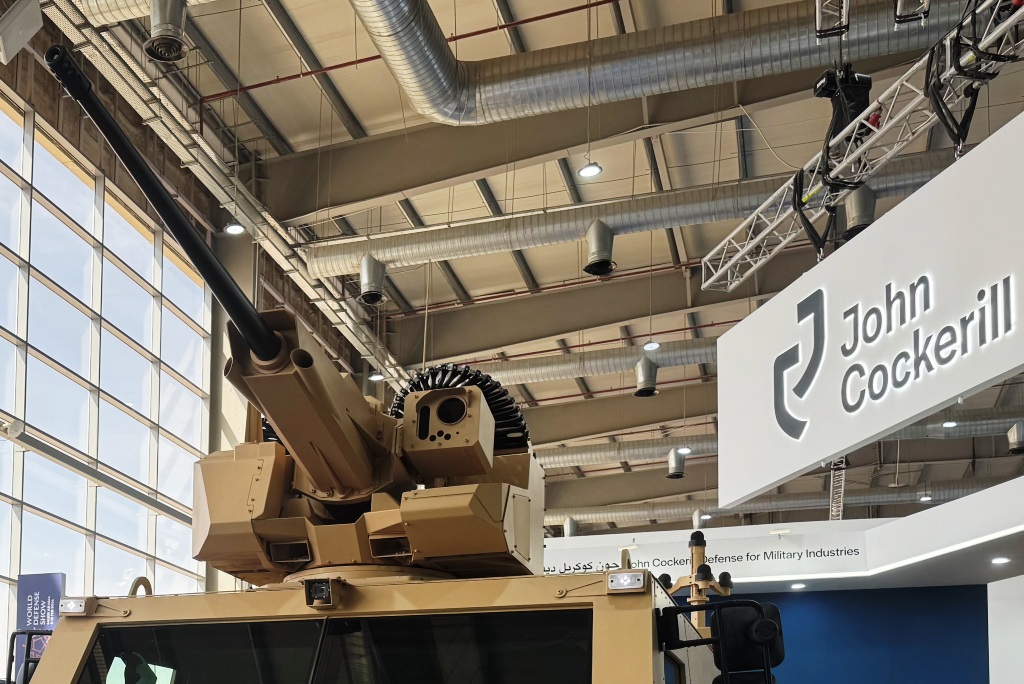
With a combat mass in the region of 600 kg, the CLWS sits well below many manned turrets in equivalent calibres, which opens the way for its integration on lighter 4×4 platforms without overloading the chassis. Its compact aluminium welded structure, with low overall height, helps maintaining a low vehicle silhouette and preserve a favourable centre of gravity – key attributes for fast 4×4s operating off‑road or in dense urban terrain. From the outset, the MAV’RX was conceived around such a remotely controlled station, allowing optimised weight distribution, power management and electronic architecture, rather than treating the weapon station as an afterthought.
At the heart of the CLWS concept is its ability to accept a broad family of primary armaments, enabling customers to tailor the station to their threat environment and logistical preferences. It can be fitted with a 12.7 mm heavy machine gun for escort, area control and reinforced security roles, or with a 25 mm cannon firing 25×137 mm ammunition – such as the widely used M242 Bushmaster or comparable European guns for an ITAR free version – to defeat light armoured vehicles and hardened positions. Alternatively, it can mount a low‑recoil 30×113 mm cannon, combining high rate of fire, effective terminal effect and recoil characteristics compatible with lightweight platforms.
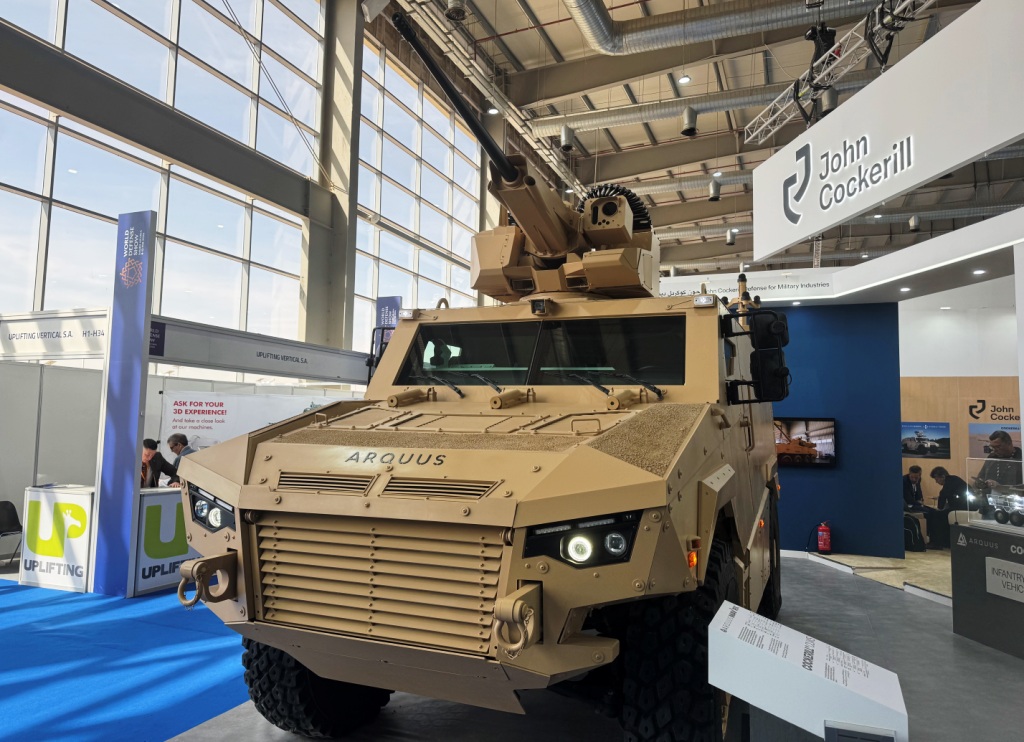
In a typical 25 mm configuration, the CLWS offers dual‑feed ammunition handling with around 155 ready rounds, allowing instant switching between two ammunition types, for example armour‑piercing and high‑explosive or airburst. When armed with a 30×113 mm cannon, it accommodates a substantial number of ready rounds sufficient for short, intense engagements, especially in section or platoon support roles. The station can also accept a coaxial 7.62 mm machine gun giving the crew an efficient option against dismounted threats at short and medium ranges. Additionally, the design allows the installation of a pair of anti‑tank guided missiles on the flank of the turret, elevating with the main armament to provide long‑range, heavy anti‑armour effects beyond the effective range of the gun.
The CLWS is equipped with a stabilised day/night sight enabling true 24‑hour operation and accurate firing on the move over rough terrain. The sighting unit typically combines high‑definition day optics, a thermal imaging channel and a laser rangefinder, giving the crew the ability to detect, identify and engage targets at ranges matching the ballistic performance of 25 mm and 30×113 mm weapons. A digital fire‑control system computes the ballistic solution, automatically compensating for range, own‑vehicle movement, target motion and environmental factors to maximise first‑round hit probability. Two‑axis stabilisation of the weapon and sight allows accurate engagement at speed, a capability particularly relevant for reconnaissance and escort missions in open desert or semi‑urban environments.
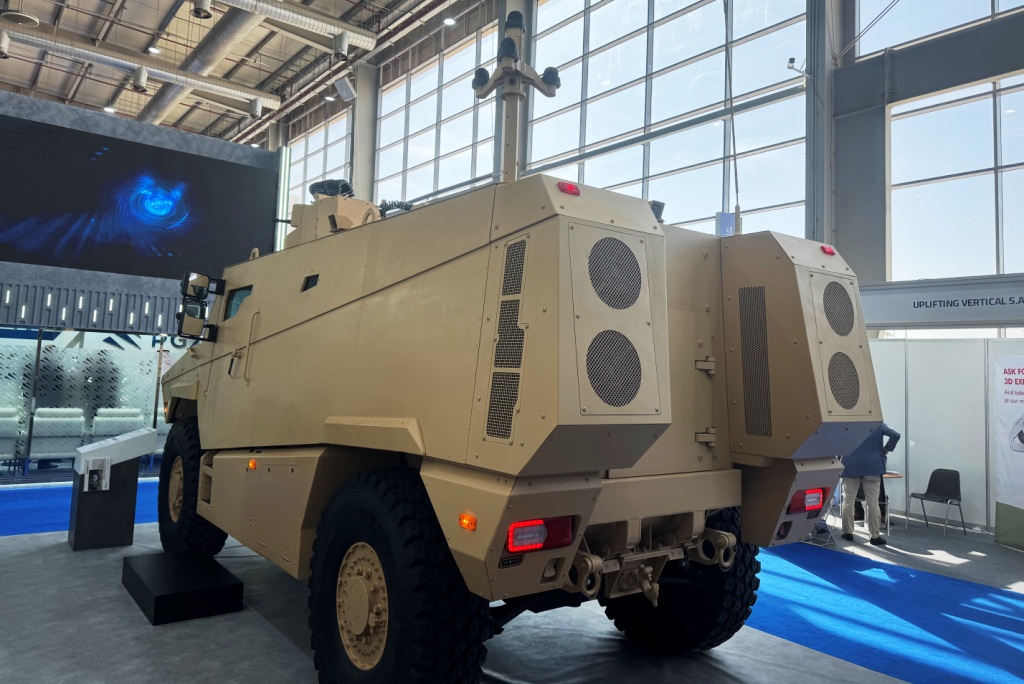
Although the CLWS itself is not a heavily armoured module, its robust aluminium structure is engineered to withstand the shocks, vibrations and mechanical stress associated with high‑mobility platforms. Its main contribution to survivability lies in keeping the crew under armour, protected from small‑arms fire, shell splinters and CBRN threats while they operate the weapons and sensors. The station is designed to interface with additional survivability systems such as laser warning receivers, shot‑detection sensors and smoke grenade launchers, forming part of a 360‑degree protection suite governed by the vehicle’s battle management system. On more advanced platforms, the CLWS can be fully networked into a digital architecture, enabling shared situational awareness, target hand‑off and participation in collaborative engagement procedures.
Displayed on the MAV’RX 4×4 in Riyadh, the CLWS underscores John Cockerill Defense’s ambition to capture a significant share of the Middle Eastern market, where armed forces are actively seeking compact, mobile platforms with credible medium‑calibre firepower. The combination of rigorous desert trials, optimised vehicle‑turret integration and a flexible armament mix positions the system as an attractive option for rapid modernisation of 4×4, 6×6 and 8×8 fleets. For regional operators facing hybrid threats, widespread use of light armoured vehicles and the need for highly mobile direct‑fire support across vast desert spaces, the Cockerill CLWS offers a compelling balance of firepower, protection, mobility and digital growth potential.
Photos by J. Roukoz