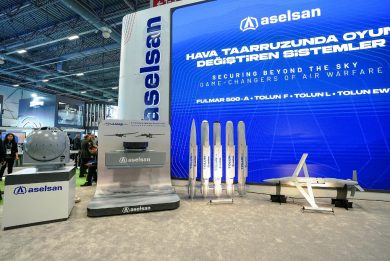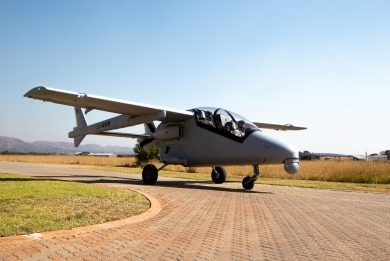
DIMDEX 2026 – Aselsan showcased its Steel Dome multi-layer shield
Aselsan’s Steel Dome (Çelik Kubbe in Turkish) is a multi-layered integrated air and missile defence system designed as a land-based air superiority architecture that fuses sensors, command-and-control and effectors into a coherent national shield, which has being highlighted at DIMDEX in Qatar as a flagship of Türkiye’s theatre air defence offering. It is intended to counter the full spectrum of threats, from FPV mini‑drones to ballistic missiles, while optimising the cost of interception through an intelligent gradation of soft‑ and hard‑kill responses
At the operational level, the Steel Dome is structured as a truly multi‑layer system, combining very short, short, medium and long‑range air defence capabilities under a unified command framework. Conceptually, it is comparable to Western integrated architectures such as FAAD‑C2, synchronising sensors and shooters to minimise dead zones and expand the defended footprint in both altitude and range. The architecture is built around three main pillars: a broad suite of sensors, robust command‑and‑control networks and a family of effectors that range from jammers and lasers to advanced surface‑to‑air missiles.
On the sensing side, the Steel Dome relies at the strategic level on long‑range early‑warning radars of the Alp‑G family, notably the Alp 300‑G in S band, with longer‑range variants such as Alp 500‑G and 600‑G planned to extend coverage. These systems provide national‑scale air picture generation, detecting low radar cross‑section targets at several hundred kilometres and feeding a recognised air picture into the higher echelons of the air defence network. At operational and tactical levels, the Steel Dome integrates surveillance and engagement radars from systems such as Korkut, Hisar and Siper, complemented by day/night electro‑optical sensors and IR search‑and‑track for identification of low‑signature drones, as well as electronic warfare sensors that contribute both early warning and electromagnetic situational awareness.
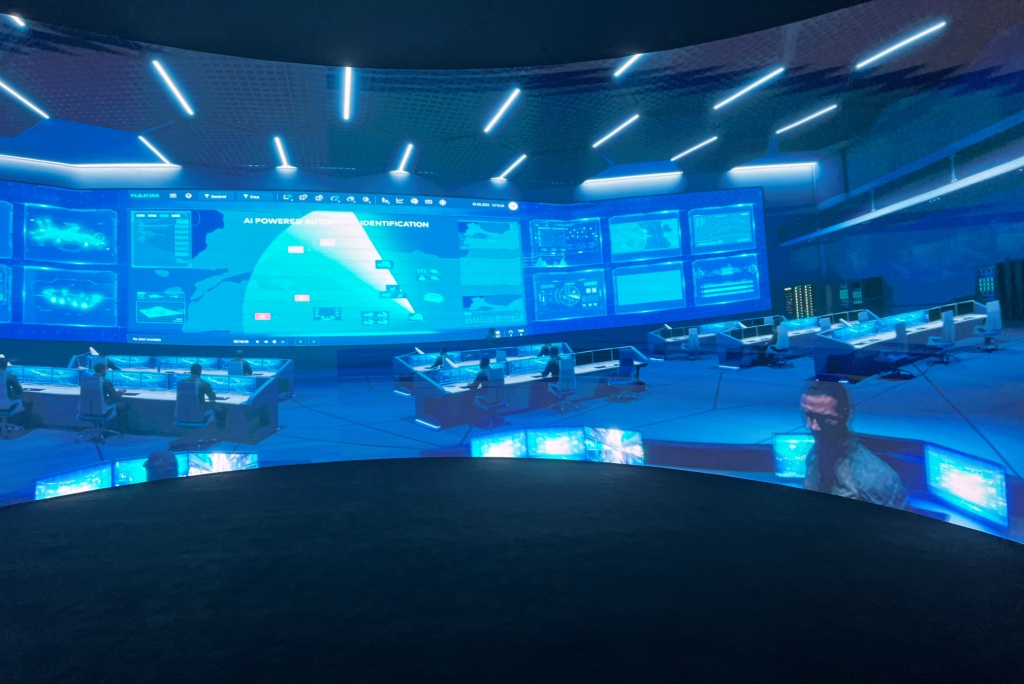
The command‑and‑control backbone of the Steel Dome is the Hakim air defence C2 system, an AI‑enabled network designed to be deployed on a nationwide basis. Hakim performs data fusion, threat evaluation and weapon assignment, orchestrating the engagement process to ensure that each threat is handled by the most appropriate and cost‑effective layer whenever possible. Communications are underpinned by Turan, a secure, resilient tactical radio network, and the T‑Link tactical datalink, which together provide robust connectivity between sensors, C2 nodes and firing units, enabling cooperative engagements, cross‑coverage and dynamic tasking of batteries and launchers.
In terms of effectors, the Steel Dome is deliberately designed around the concept of “smart layers” that combine soft‑kill and hard‑kill options depending on the type and value of the target. Against the growing threat of small UAVs, loitering munitions and FPV drones, the system incorporates the İhtar 100 counter‑UAS suite, which couples a Ku‑band detection radar with electro‑optical sensors and high‑power jammers capable of disrupting control links, video feeds and GNSS signals across a wide range of civilian and military bands. This is reinforced by the Kangal programmable jamming system, providing 360‑degree electronic attack coverage to deny hostile drones their guidance and navigation, and the Gökberk mobile laser, which combines electronic attack with a directed‑energy weapon for both soft‑ and hard‑kill effects against micro and mini‑UAVs.
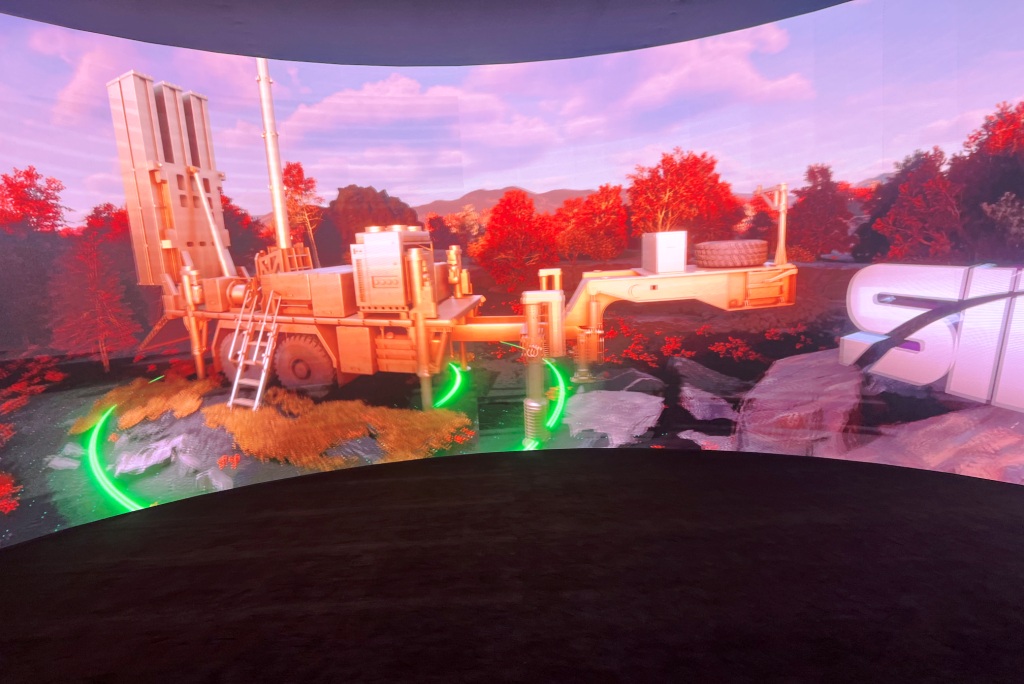
As for the gun‑based air defence layer, the Steel Dome integrates platforms such as the Korkut 100/25 SB, which employs Atom programmable airburst ammunition to defeat single drones, swarms and low‑flying missiles at short range. These systems benefit from their own radar and electro‑optical fire control, and increasingly use embedded algorithms to manage high‑density engagements. Higher up the engagement chain, the architecture brings together the Hisar family for short‑ and medium‑range air defence against aircraft, helicopters, cruise missiles and loitering munitions, with the Siper family providing the long‑range layer, already inducted into the Turkish Armed Forces with batteries comprising multiple launchers and a significant missile load. Aselsan stresses that the Steel Dome is conceived as a full‑spectrum solution, extending up to certain classes of ballistic threats through the integration of long‑range sensors, high‑performance interceptors and advanced C2.
From an industrial and strategic perspective, the Steel Dome is being rolled out progressively across Türkiye, with each new delivery phase expanding geographical coverage and enhancing depth of defence. The system is built on an open architecture philosophy, allowing future insertion of new radar technologies, third‑party sensors, additional effectors and evolving electronic warfare capabilities without redesigning the entire framework. At DIMDEX, its presence in Doha positions Aselsan as a prominent contender for regional air and missile defence requirements in the Gulf, where armed forces face a dense mix of low‑cost drones, cruise missiles and ballistic threats. For Middle Eastern customers, the Steel Dome is presented as a modular, scalable and interoperable turnkey solution, capable of being tailored in terms of layer depth, sensor density and integration with existing national air surveillance and C2 networks.
Photos by J. Roukoz